Tag: 7 days

  • The Most Epic 7 Day Ireland Itinerary (2026)

    The Most Epic 7 Day Ireland Itinerary (2026)

    a purple and black pattern

    7 Day Ireland Itinerary (2026)

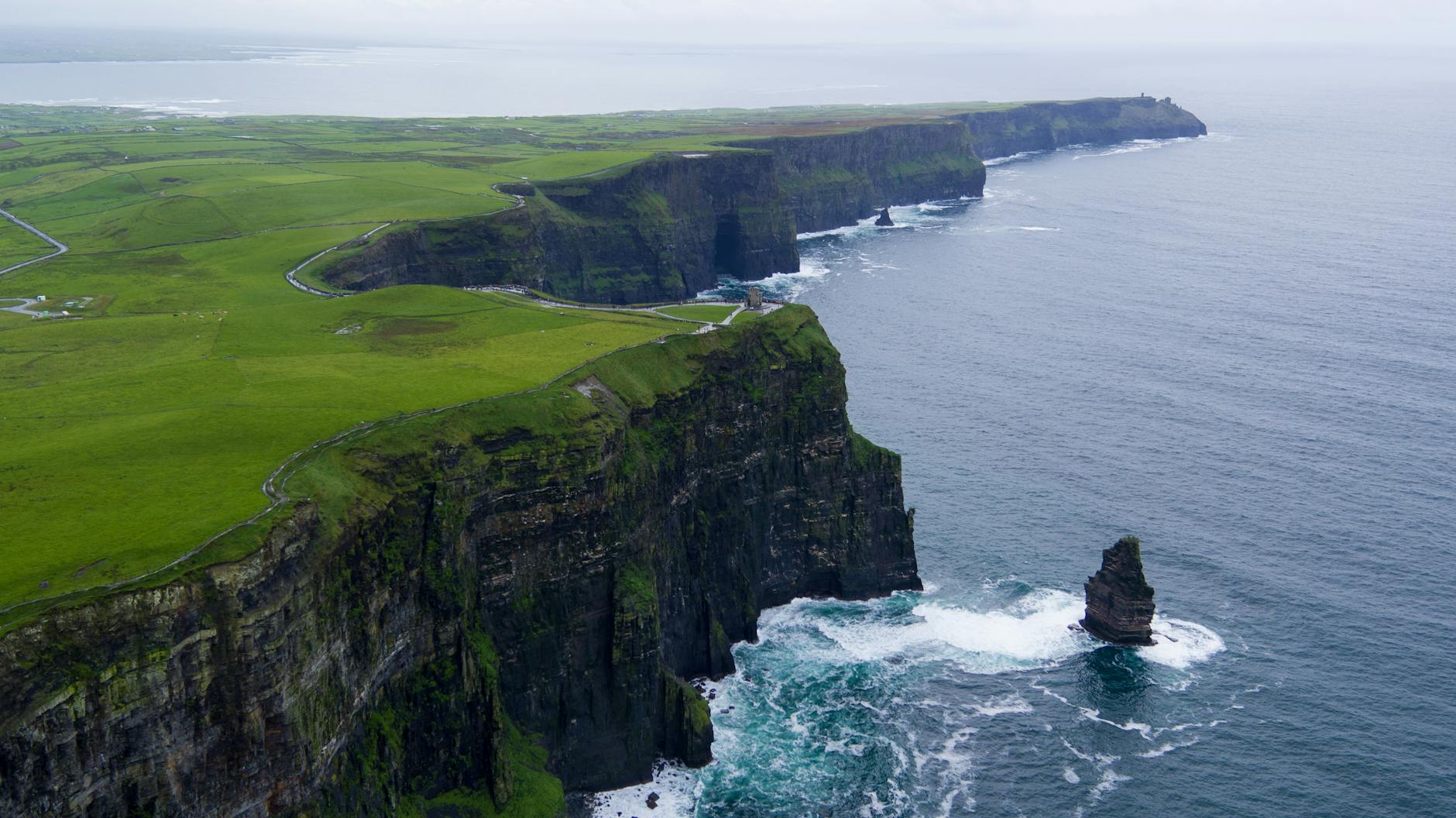
    aerial photography of rock next to water body

    Written By:

    Published On:

    Last Modified:

    Before the First Pint

    green light over bar walls at night while people have a pint before embarking on their Ireland itinerary

    Why Ireland Captures Travelers Again and Again

    Ireland isn’t flashy.

    It doesn’t try to sell you on pristine beaches or cutting edge nightlife.

    What it does offer, unapologetically, is character.

    This is a country where conversations with strangers come standard, where rain is part of the charm, and where the landscape speaks in stone walls, moss covered ruins, and waves crashing against cliffs older than time.

    People come here expecting pubs and castles, and sure, those are part of it.

    But they leave remembering a fiddler they met on a Tuesday night in a pub with no sign, or the way the air felt walking through Glendalough as mist rolled in off the hills.

    Ireland’s magic isn’t in your itinerary, it’s in everything that happens in between.

    This 7 day Ireland itinerary isn’t just a checklist of “must sees.”

    It’s a guide to moving through the country with your eyes open, your plans loose, and your spirit ready for detours.

    What This Ireland Itinerary Covers (And What It Doesn’t)

    This itinerary is designed for one week, seven days of well balanced adventure.

    You’ll start in Dublin, roll through Galway, explore the wild west of Connemara or the Aran Islands, swing down through Killarney and the rugged peninsulas of Kerry, before wrapping in Kilkenny and heading back to Dublin.

    It’s fast paced, yes, but not manic.

    Each day has breathing room, crafted with independent travelers in mind.

    What you won’t find here: every single castle, every museum, every quaint town that claims Yeats once sneezed there.

    This isn’t a “do it all” approach.

    You’ll miss some things, and that’s okay.

    Think of this as a first date with Ireland, not a marriage.

    You’ll be back.

    The Ideal Traveler for This Trip

    If you’re the kind of person who likes your plans with a side of possibility, this trip’s for you.

    You don’t mind getting lost on a country road as long as there’s a view (or a sheep) at the end of it.

    You’d rather hear a local’s story than check off another landmark.

    You’re curious, maybe even a little restless, and definitely not here to just follow the tour bus crowd.

    This Ireland itinerary was made for travelers who want connection over convenience, depth over breadth, and a good pint over a perfect photo.

    It’s not luxury, but it’s rich in every way that counts.

    Day 1: Dublin

    photo of people walking on street

    Must See Landmarks and Literary Haunts

    Dublin is a city of ghosts (think Behan, Joyce, Wilde), and you’ll feel them in the bricks, the bars, the rhythm of the streets.

    Don’t start with the Guinness Storehouse (save it for later).

    Start with a walk through the city’s intellectual backbone: Trinity College.

    The Long Room in its Old Library is as close to a cathedral as books will ever get.

    Just down the road, the Book of Kells waits quietly under glass, glowing like ancient scripture.

    Next, head to Kilmainham Gaol.

    It’s heavy from a gritty history, rebellion, and sacrifice.

    This place doesn’t shy from its past, and neither should you.

    Want something quieter?

    Duck into the Dublin Writers Museum or retrace steps through St. Stephen’s Green and Merrion Square, where literary legends once strolled in the rain.

    But don’t get too academic.

    Dublin isn’t a textbook.

    It’s a living city with stories still being written, preferably over a pint.

    Where to Eat, Drink, and Ease Into the City

    You’re jet lagged, a little dazed, and your stomach is running on fumes.

    Skip the tourist traps around Temple Bar, unless you’re collecting overpriced Guinness.

    For breakfast or a light bite, hit up Queen of Tarts or The Fumbally for quality Irish fare that doesn’t scream “Instagram me.”

    For dinner, The Woollen Mills near the Ha’penny Bridge delivers modern Irish comfort food in a historic setting.

    Think braised beef cheeks, homemade brown bread, and locals at the next table arguing about hurling.

    Want something with a pulse?

    Grab a table at Delahunt, a Victorian era townhouse serving elegant plates in a quietly cool setting.

    When the sun goes down (which, let’s be honest, isn’t saying much in Ireland), head to The Cobblestone in Smithfield for real trad music.

    No frills, just raw talent and warm pints.

    Or wander into Toner’s or O’Donoghue’s where the music spills out into the street and no one’s watching the clock.

    Sleep Smart: Where to Stay in Dublin

    You don’t need five stars, but you do need walkability and comfort.

    Jacobs Inn is a clean, modern hostel with private pods and a great social vibe; perfect for solo travelers or budget conscious duos.

    If you want boutique on a beer budget, check out The Hendrick in Smithfield or The Alex near Merrion Square.

    Prefer charm with your sleep?

    Number 31 offers Georgian vibes and breakfast that could convert the sleep deprived into morning people.

    Rest up. Dublin’s done its part. The real ride begins tomorrow.

    Day 2: Dublin to Galway

    colorful cars on a parking

    Train or Car?

    It’s decision time: wheel your own way west, or kick back and let the train do the driving.

    If you’re craving control, rent a car.

    The route from Dublin to Galway (via the M6) is about 2.5 hours straight.

    But where’s the fun in straight?

    With a car, you own the detours, the roadside photo ops, the wrong turns that become right stories.

    Driving in Ireland isn’t hard, but the narrow roads and roundabouts demand your attention, and a dash of humility.

    If you’re easing into this trip and want to zone out, take the train.

    Irish Rail runs regularly from Dublin Heuston Station to Galway, and the views rolling past your window—green fields, sheep, the odd crumbling tower—aren’t half bad.

    Plus, it drops you straight into the city center with zero parking headaches.

    Bottom line: Car equals freedom.

    Train equals peace.

    Pick your travel poison.

    Stop for Midday Pints

    If you’re driving, you must stop in Athlone.

    It’s geographically halfway to Galway, and spiritually a step back in time.

    At the heart of this sleepy Midlands town sits Sean’s Bar, proudly (and factually) the oldest pub in Ireland.

    It’s been slinging drinks since 900 AD.

    That’s not a typo.

    Inside, the floor tilts a little, the fire’s usually going, and the pints are poured slow and proper.

    You’re not just drinking a beer, you’re stepping into a thousand years of blurry evenings and whispered secrets.

    Take your time.

    Chat up the bartender.

    Let the moment linger like peat smoke on your clothes.

    Evening in Galway

    Galway doesn’t try to impress, it just is.

    It’s a place where buskers could be future stars, where the street art’s political, and the air smells like salt and spilt cider.

    Drop your bags at your digs (The Stop is a local favorite with cozy B&B vibes), then wander straight into the Latin Quarter.

    Shop Street buzzes with musicians, clashing accents, and open-air stalls.

    Grab a cone from Murphy’s Ice Cream or a fresh oyster from the Galway Market if you catch it open.

    For dinner, Kai is a revelation with local ingredients, bold flavor, and zero pretense.

    When night falls, follow the music.

    Tigh Neachtain’s or The Crane Bar are always solid bets.

    Sit close to the session, sip slowly, and remember: you’re not just hearing Ireland.

    You’re feeling it now.

    Day 3: Day Trip to the Aran Islands or Connemara

    rocky and grass top of cliff

    Why Get Off the Mainland

    If Galway is where the West begins, the Aran Islands and Connemara are where it fully lets go.

    These aren’t day trips, they’re departures from the modern world.

    Think windswept cliffs, stone walls zigzagging toward the sea, and a pace of life so slow it practically rewinds time.

    The Aran Islands feel ancient because they are.

    They’re a cluster of limestone outposts where Irish is still spoken, donkeys outnumber cars, and the Wi-Fi is laughable (which is exactly the point).

    You go here to disconnect, to feel small, to hear the Atlantic roar uninterrupted.

    Connemara, by contrast, is wild in a looser, more sprawling sense.

    Boglands.

    Mountains.

    Sheep dotted roads that defy GPS logic.

    It’s Ireland raw and unfiltered.

    If the cities are the country’s memory, Connemara is its instinct.

    Quiet, tough, and stunning without trying.

    How to Plan Your Day Trip (or Overnight)

    For the Aran Islands, Inis Mór is your best bet for a first-timer.

    Ferries leave from Rossaveal, about an hour from Galway by shuttle or car.

    Book your ticket early, especially in summer.

    It’s possible to do it in a day, but if you’ve got wiggle room, stay the night.

    Watching the last ferry leave changes the island’s vibe.

    It empties, exhales, and becomes yours.

    For Connemara, rent a car or join a local day tour.

    Public transport is scarce, and you’ll miss too much without the freedom to stop.

    Drive the Sky Road near Clifden, visit Kylemore Abbey (yes, it’s touristy, but still drop dead gorgeous), or hike in Connemara National Park.

    Better yet, skip the checklist and just drive till something pulls you over.

    No matter the route, pack for unpredictability: rain gear, layers, snacks. You’ll thank yourself.

    Bike, Hike, or Just Wander

    On Inis Mór, rent a bike the moment you dock.

    There’s no better way to see the island than pedaling past grazing ponies and half toppled stone forts.

    Make the climb to Dún Aonghasa, a prehistoric fort perched on a cliff with nothing but sea and sky beyond.

    It’s not roped off or manicured.

    Just you, the edge, and the wind daring you to look down.

    In Connemara, pull on boots and hit the trails.

    The Diamond Hill loop is short, steep, and outrageously scenic.

    Or do nothing structured at all.

    Just wander a beach, breathe in the sea air, let the place do its work.

    Today is about remembering why you travel, not to escape life, but to meet it; raw, real, and a little windswept.

    Day 4: Galway to Killarney

    photo of a town against an overcast sky

    Cliffs of Moher, the Back Way

    Today’s drive is long, but it might just be the most jaw dropping stretch of your trip, if you do it right.

    Get up early, grab coffee, and head south out of Galway with one goal in mind: beat the tour buses to the Cliffs of Moher.

    But here’s the trick: skip the main entrance.

    Instead, approach from Hag’s Head, the lesser known southern end.

    Park near Guerin’s Path, toss a few euros in the honesty box, and hike the coastal trail northward.

    It’s raw, unguarded, and stunning in a way that makes the official visitor center feel like a mall parking lot.

    You’ll earn every view with wind in your face and the Atlantic threatening to pull the whole island westward.

    This is not a “see it from the gift shop” experience.

    This is wild Ireland, up close and elemental.

    The Burren

    On your way south, carve out time for The Burren.

    It’s not conventionally beautiful.

    It’s stark, lunar, and weird in the best possible way.

    Huge slabs of limestone stretch to the horizon, split by ancient fissures and dotted with wildflowers defying gravity.

    Stop in Kilfenora for the cathedral ruins, or hit up Poulnabrone Dolmen, a 5,000 year old tomb standing defiantly against the sky.

    Hungry?

    Swing through Burren Smokehouse for smoked salmon that tastes like someone bottled the Atlantic and set it on fire.

    Or grab a bite at The Roadside Tavern, where the food’s as good as the Guinness.

    The Burren is a place people either rush through or get lost in.

    Be the latter.

    Arrive in Killarney

    After a day of windswept cliffs and lunar landscapes, Killarney feels like an Irish postcard: tidy, cheerful, and buzzing with life.

    It’s a perfect home base for tomorrow’s adventures, but it’s worth exploring in its own right.

    Drop your bags at The Lake Hotel if you’re after lakeside views and old world charm, or Neptune’s Hostel if you’re on a tighter budget and want walkability to everything.

    B&Bs are king here.

    Look for one with a full Irish breakfast and a host who insists on telling you exactly where to go tomorrow.

    For dinner, go pub style at Murphy’s Bar or upscale at Bricín.

    Then stroll the park or hit a trad session at O’Connor’s.

    After a day like today, you’ve earned a pint and a pause.

    The west is behind you.

    The wild south awaits.

    Day 5: Ring of Kerry or Dingle Peninsula

    sign in seaside

    Which Route Is Right for You?

    You’ve got a full tank, a wide open day, and a tough call: Ring of Kerry or Dingle Peninsula?

    The Ring of Kerry is a heavyweight: big, dramatic, and stitched into every Irish travel brochure since the dawn of tourism.

    It delivers: mountain passes, crashing coastlines, sweeping lakes, and time warp villages.

    But it’s also bus heavy in peak season, and its epicness can feel…expected.

    Dingle, on the other hand, is smaller, scrappier, and weirdly soulful.

    The Slea Head Drive alone is worth the mileage: tight coastal curves, windswept beaches, beehive huts older than Christianity.

    And Dingle town?

    It’s a pint sized hub of trad music, pub banter, and art shops that don’t feel phony.

    So ask yourself: Do you want grandeur or grit?

    Broad strokes or up-close texture?

    Either way, you win.

    Just don’t try to do both in a day.

    That’s tourist math, not traveler wisdom.

    Must-See Stops and Secret Detours

    On the Ring of Kerry, stop at Muckross House if you’re into history, or skip it and lose yourself on The Skellig Ring, the quieter, wilder sibling to the main loop.

    The detour to Valentia Island is a gem: fossilized footprints, crashing surf, and skies so wide you’ll forget the concept of deadlines.

    On Dingle, the Gallarus Oratory is the obvious stop, but the Blasket Islands Centre tells the story of a vanished island community in a way that’ll stay with you.

    Take a moment at Coumeenoole Beach, where the wind howls and the Atlantic feels inches from your soul.

    Whichever route you choose, go slow.

    Pull over often.

    Talk to strangers.

    Some of the best sights aren’t on any map.

    Eat Local

    Lunch should be honest and local.

    In Portmagee, grab a bowl of chowder at The Moorings.

    It comes hot, briny, and loaded with the Atlantic.

    In Dingle, make a beeline for Out of the Blue, where seafood is king and the menu changes daily based on the catch.

    No chips, no compromise.

    Don’t skip the dark, dense, and slightly sweet Guinness bread.

    It’s practically a religion in Kerry kitchens.

    Pair it with a pint, and you’ve got a meal that’ll hold up to the wind and the road.

    By sunset, you’ll feel it; that raw, windswept, heart full sensation that only Ireland’s edge can offer.

    Whichever loop you choose, it’s the kind of day that gets into your blood and stays there.

    Day 6: Killarney to Kilkenny

    classic bar beer taps in milan pub

    Scenic Stops

    Today’s route cuts east across the belly of Ireland, trading wild coastline for ancient stones and inland stories.

    You’ve got options, good ones.

    First up: the Rock of Cashel.

    You’ve seen photos, sure, but nothing prepares you for the sheer drama of this limestone hill crowned with medieval ruins.

    It’s not just a church on a rock.

    It’s centuries of Irish power, faith, and defiance etched into cold, crumbling stone.

    Walk the grounds, listen to the wind tear through broken windows, and imagine being a monk here with nothing but parchment and prayer.

    Prefer less grandeur, more grit?

    Take a detour to Cahir Castle.

    Less touristy, equally atmospheric.

    Built to defend and impress, its towers and courtyards have that satisfying Game of Thrones vibe without the merch stands.

    Bonus: it feels lived in, not curated.

    Either stop makes a solid break in the 2.5 hour drive.

    Stretch, snap a few moody photos, then keep moving.

    Explore Kilkenny

    Kilkenny feels different from anywhere else on this trip.

    It’s compact but cultured, with a sly sense of humor under its medieval cloak.

    The streets twist and turn like a maze designed by a poet on a pub crawl.

    Drop your bags, then dive straight into Kilkenny Castle.

    Yes, it’s restored, but not obnoxiously so.

    The art collection is solid, the gardens are made for slow wandering, and the sense of history is tangible without being dusty.

    Then head into town.

    Pop into Rothe House, a 17th century merchant’s home, or just let the side streets pull you where they may.

    If you’re feeling thirsty for knowledge (or just thirsty), Smithwick’s Experience offers a smooth blend of brewing history and tasting.

    It’s touristy, but the beer’s good, and the guides know their stuff.

    Trad Tunes in Ancient Taverns

    Kilkenny comes alive at night; not with rowdy crowds, but with warmth.

    Pubs here aren’t about volume, they’re about vibe.

    Slide into a wooden booth at Kyteler’s Inn, a 700 year old tavern with a witchy past and serious character.

    Or check out Matt the Millers if you want music with your pint and a little local color.

    Dinner?

    Petronella serves elevated Irish fare without pretense.

    Try the lamb if it’s on.

    Then let the night carry you.

    One pub, one song, one pint at a time.

    Tomorrow, it’s back to Dublin.

    But tonight, Kilkenny is your kingdom.

    Own it.

    Day 7: Kilkenny to Dublin

    red stall

    Slow and Scenic Drive

    You could beeline it back to Dublin in under two hours, but where’s the poetry in that?

    Today’s about finishing strong, not fast.

    Take the scenic route north through the Wicklow Mountains, where the road winds like a ribbon through mist and moor.

    It’s the kind of landscape that swallows sound and rewrites your mood.

    Stop at Glendalough, a monastic site tucked into a glacial valley so serene it feels sacred, no matter what you believe.

    Walk the forested trails, trace your fingers along the ancient stonework, and listen to the silence.

    This place isn’t flashy, but it stays with you.

    Like much of Ireland, its power lies in subtlety.

    Bring a flask.

    Bring a journal.

    Bring the version of yourself that can sit still.

    Reflect and Toast Your Final Night in Dublin

    Rolling back into Dublin feels different now.

    You’re not a wide eyed newbie anymore.

    You’ve walked the cliffs, downed pints with locals, hiked windswept trails, and maybe even lost your phone somewhere on the Dingle Peninsula.

    Drop your rental car if you had one.

    City driving is a pain you don’t need.

    Check back into familiar digs or try somewhere new: The Dean for a boutique vibe with rooftop views, or Abbey Court Hostel if you want cheap and social.

    For your last night, skip the checklist.

    This is about ritual, not novelty.

    Walk the Liffey at sunset, grab dinner at The Winding Stair (book ahead), or just tuck into a snug booth at Kehoe’s or The Long Hall.

    Sip slow, think deep.

    Let the week settle in your bones.

    And raise a glass, not to what you saw, but to how it made you feel.

    Departure Tips for a Smooth Exit

    Flying out of Dublin Airport?

    Give yourself time.

    Security’s no joke, especially during peak hours.

    Most transatlantic flights leave in the morning, so plan to arrive at least 2.5 hours early.

    Take a cab, the Aircoach, or a pre-booked shuttle.

    Public transit works, but it’s not worth the stress on departure day.

    If you’re flying out later, stash your bags and give Dublin one last wander.

    Grab a flat white at Vice Coffee or pick up a few last minute gifts that aren’t leprechaun related.

    And when you board that plane, don’t scroll back through your photos just yet.

    Let it all sit.

    Let Ireland linger, like rain on a jacket, like a song you can’t stop humming.

    You’ll be back.

    You just don’t know when yet.

    Budget Breakdown and Tips for First-Timers

    trinity college dublin library interior view

    Daily Budget Breakdown

    Ireland’s not cheap.

    But it’s also not off limits.

    Travel smart, and you can experience its soul without draining your savings.

    💰 Budget Traveler: €60 – €90 per day

    Dorm beds or cheap guesthouses, self-catered meals, public transport, and maybe one paid attraction.

    💰💰 Mid-Range: €120 – €180 per day

    Private rooms in B&Bs, meals out once or twice a day, car rental, and daily activities.

    💰💰💰 High-End: €250+ per day

    Boutique hotels, fine dining, guided tours, the works.

    The sweet spot for most travelers?

    Around €130 per day if you balance splurges with self control.

    That gets you good food, a few pints, and a cozy bed without having to count every coin.

    How to Save Without Sacrificing Experience

    Eat big at lunch, go light at dinner.

    Many pubs and cafés offer lunch specials that cost half what dinner would.

    A €10 – €12 hearty lunch beats a €30 dinner and still fills you up.

    B&Bs over hotels.

    Not only cheaper, but you get a home cooked breakfast and local tips worth their weight in gold.

    Many Irish hosts practically require you to take their advice, and it’s usually spot on.

    Travel shoulder season.

    April through June or September through October.

    Fewer crowds, better rates, and just as much moody beauty.

    Book your car early.

    Prices spike fast in summer.

    If you’re traveling with someone, splitting a rental often costs less (and feels freer) than buses or tours.

    Walk, don’t Uber.

    Irish cities are compact.

    You’ll miss half the magic staring at a fare screen instead of cobblestones and café windows.

    Local Etiquette and Travel Hacks

    Say “hi” to strangers; especially in small towns or on trails.

    It’s not weird, it’s expected.

    A simple “How’s the craic?” goes a long way.

    Tipping isn’t mandatory, but appreciated.

    10% in restaurants if service isn’t included.

    Tip your guides and musicians if they made your day.

    Pub culture 101: When it’s your turn, buy the round.

    Don’t leave your glass on the table, bring it back to the bar.

    Respect the session, trad musicians aren’t jukeboxes.

    Weather reality: It will rain.

    Often.

    Sometimes sideways.

    Pack layers, a good rain jacket (not an umbrella, the wind will eat it), and waterproof shoes.

    Dry feet are happy feet.

    Ask locals where to go, not Google.

    Your best moments will come from a bartender’s suggestion, not a blog post.

    Trust the people who live it.

    Spend where it matters.

    Save where you can.

    And remember: the best parts of Ireland (the views, conversation, and the sound of wind across a stone wall) are free.

    Customizing Your Ireland Itinerary

    stunning mountain and ravine in scenic landscape

    Add On Ideas

    Seven days barely scratches the mossy surface of Ireland.

    Got more time?

    Stretch it.

    Here’s where to go when you want more than the greatest hits.

    Donegal is the rugged loner of the northwest: less polished, more powerful.

    The cliffs at Slieve League rival Moher, minus the crowds.

    Surf towns like Bundoran and sleepy fishing villages like Ardara still run on their own time.

    If you crave wild landscapes and quiet roads, Donegal’s your spot.

    Belfast adds complexity.

    This is a city of scars and stories.

    Where murals still shout politics and locals remember the troubles like they were yesterday.

    Take a Black Cab tour to get the real version, visit the Titanic Belfast museum for scale, and end the day in the Cathedral Quarter where the pint and music still bring people together.

    Cork is for food lovers and free spirits.

    Smaller than Dublin, cooler than Galway, and full of hidden corners.

    Hit The English Market, then day trip to Kinsale for seafood and sea air, or Cobh to see where Titanic’s last passengers boarded.

    Each of these places could be a trip in itself.

    Tacking them on?

    Just make sure you don’t try to see everything and feel nothing.

    Slowing Down and Staying Longer in One Place

    Ireland rewards lingering.

    Don’t be afraid to pause.

    Spend three nights in Galway and really soak in the street music, cafés, and moody harbor walks.

    Post up in Dingle and let the peninsula unfold at a pace that matches the tides.

    Or rent a cottage in Connemara, buy groceries, and go feral for a few days.

    Moving slower doesn’t mean seeing less, it means seeing deeper.

    You’ll spend less time checking out and more time checking in.

    Best Times to Go and Weather Wisdom

    The best time to visit Ireland?

    Depends on what you’re after.

    May to early June offers long days, decent weather, wildflowers blooming, and fewer tour buses.

    September to October brings golden light, harvest festivals, and a gentler vibe as crowds thin.

    Winter?

    Moody, quiet, and honestly kinda magical if you’re okay with rain and short days.

    Bring layers and embrace the pub life.

    Avoid mid-July to August if you can.

    Prices spike, towns get clogged, and spontaneity dries up.

    As for weather: it’s a wildcard.

    You can get all four seasons in a day.

    Dress like an onion: layers, waterproofs, and zero expectations.

    However you tweak it, this itinerary is just a starting point.

    Ireland will meet you halfway, just show up open.

    Ireland is a Feeling, Not a Checklist

    photo of an old bridge

    What You’ll Remember (It’s Not the Landmarks)

    You’ll forget the GPS coordinates.

    The exact sequence of castles and cliff views will blur.

    But what stays?

    The feeling.

    It’s the quiet moment on a coastal trail when the wind shifts and you hear nothing but waves and your own breath.

    It’s the old man in a Galway pub who called you “young fella” and poured a story longer than your pint.

    It’s the rhythm of trad music bleeding into midnight, and the taste of salt still clinging to your lips after a walk by the sea.

    Ireland doesn’t impress you like a monument.

    It gets under your skin, slowly.

    It’s in the way people talk to you like they’ve known you for years, in the moss that carpets old stones like the land itself is trying to hold memory, in the way time bends around a pub session or a coastal drive.

    This trip wasn’t about ticking boxes.

    It was about letting a place work on you.

    And it will, if you let it.

    Travel Intentionally and Leave Room for Serendipity

    The best advice for traveling Ireland?

    Don’t over plan it.

    Build your framework, sure.

    Know where you’ll sleep.

    But leave space; for the road that calls to you, the town you didn’t mean to visit, the pub session that turns into a philosophy lesson over Guinness.

    Too many travelers treat Ireland like a museum.

    It’s not.

    It’s a conversation.

    A living, breathing, rain soaked, music laced invitation to slow down and stay a while.

    If you’re too busy getting to the next place, you’ll miss the one you’re standing in.

    Let spontaneity live in your itinerary.

    Leave time for detours.

    Say yes to the strange.

    Ask questions.

    Sit still when the moment calls for it.

    And maybe, just maybe, come back without a plan at all.

    Because the truth is, Ireland isn’t going anywhere.

    It’s always here; weathered, welcoming, and full of crooked stories.

    And once you’ve been, even just once, a part of you will always be tuned to its frequency.

    So don’t chase perfection.

    Chase moments.

    Chase meaning.

    And when you leave, take the feeling with you.

    Not just in photos, but in the way you move through the world after.

    Ireland doesn’t change for anyone.

    But if you’re lucky, it might just change you.
  • The Most Epic 7 Day Croatia Itinerary (2026)

    The Most Epic 7 Day Croatia Itinerary (2026)

    a purple and black pattern

    7 Day Croatia Itinerary (2026)

    old city port with moored ships and historical houses

    Written By:

    Published On:

    Last Modified:

    Why Visit Croatia in 2026?

    white yachts on body of water during sunset

    Croatia’s Growing Popularity Without the Overtourism

    There was a time when Croatia was Europe’s best kept secret.

    That ship has (mostly) sailed, but here’s the good news: it hasn’t crashed into the rocks of overtourism just yet.

    While the crowds have found Dubrovnik’s Old Town thanks to a certain dragon heavy TV show, much of the country still flies under the radar.

    In 2026, Croatia walks the line beautifully between popular and peaceful.

    Unlike Venice or Santorini, Croatia still feels real.

    Locals sip espresso for hours, fishermen mend their nets by the docks, and old women sell lavender sachets in alleyways that smell like woodsmoke and brine.

    Even the tourist-friendly towns, like Split, Zadar, or Rovinj, still pulse with authenticity if you know where to look (and I’ll show you where).

    Sure, the cat’s out of the bag, but the charm hasn’t been commodified to death.

    This is a place where you can spend your morning hiking to a castle in the misty hills of Istria, your afternoon swimming in waterfall-fed lakes, and your evening dining on black risotto by the Adriatic.

    Croatia isn’t just scenery, it’s story.

    And it’s still accessible without having to elbow through a selfie stick brigade every five steps.

    2026 Travel Trends Favoring Croatia

    Let’s be real: 2026 is shaping up to be the year of smart, flexible travel.

    And Croatia is ticking all the boxes.

    First, there’s the cost.

    While prices in Dubrovnik are catching up to Western Europe, most of Croatia still runs lean for your wallet.

    Inland towns, lesser-known islands, and even major cities like Zadar offer serious value.

    Think sea-view Airbnbs for under $100, fresh seafood for less than your usual DoorDash order, and long-distance bus rides that don’t drain your soul or your budget.

    Then there’s mobility.

    Croatia’s investing in better ferry networks, train upgrades, and road infrastructure, making it easier to get off the beaten path without needing a PhD in Balkan bus timetables.

    Digital nomads and remote workers?

    Croatia sees you.

    Its digital nomad visa program is growing, Wi-Fi is solid in most urban areas, and co-working spaces are popping up even in coastal villages.

    Most importantly, there’s variety.

    One day you’re wandering Venetian alleyways, the next you’re diving off a boat into turquoise water, and the next you’re drinking wine with a family who’s been pressing grapes the same way for five generations.

    Bottom line: if you’re looking for a destination that blends history, beauty, value, and just the right amount of chaos.

    This is the year to follow the coastline to Croatia.

    7 Day Croatia Itinerary Overview

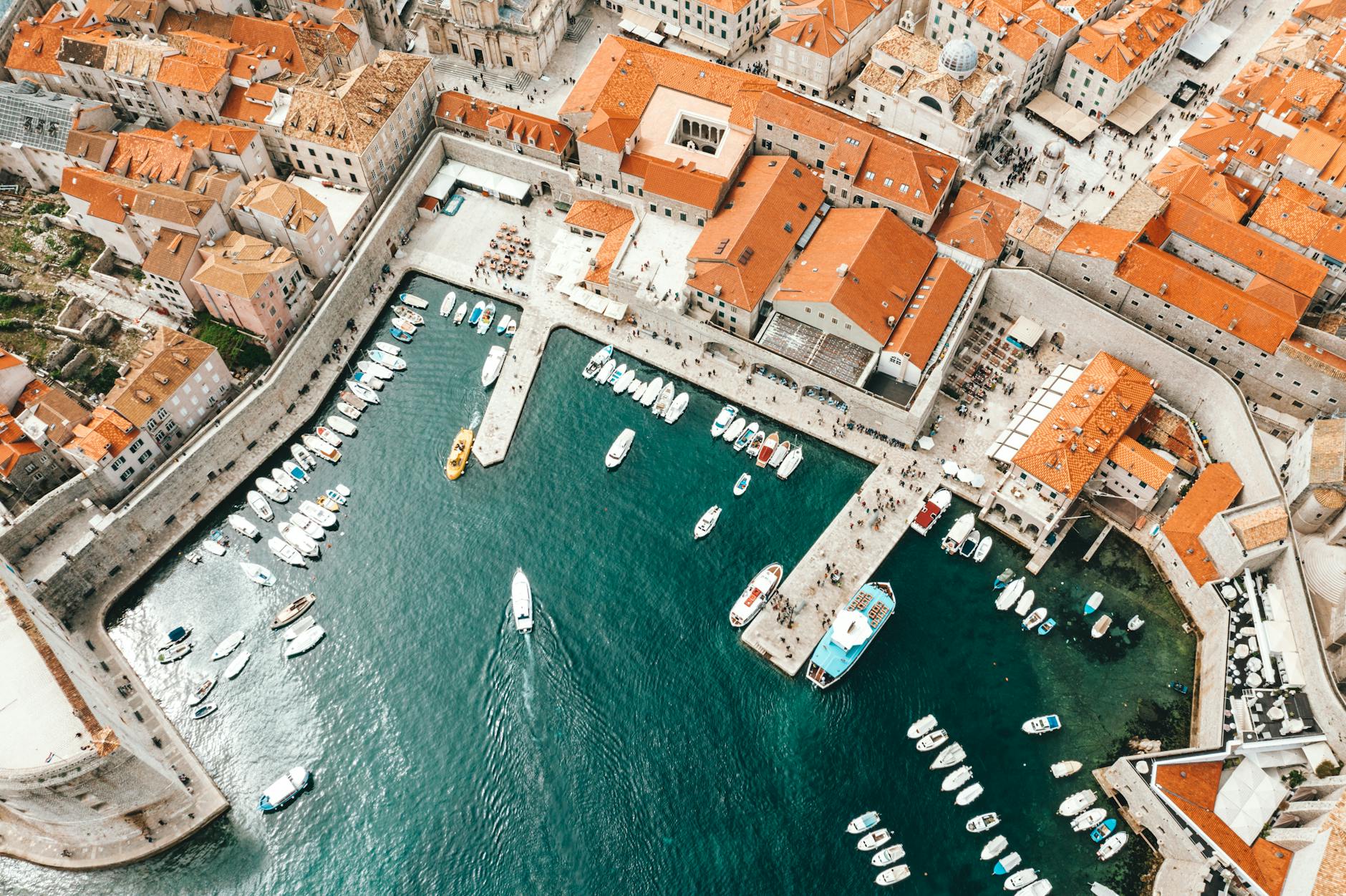
    overhead view of town with orange roofs

    Where You’ll Go

    This 7 day Croatia itinerary isn’t about ticking off every city or standing in line for hours outside some overrated cathedral.

    It’s about movement and mood.

    A journey that flows like the Adriatic, sometimes fast, sometimes slow, always with a sense of place.

    You’ll start inland, in Zagreb, Croatia’s quirky, underappreciated capital. It’s a city with soul, not spectacle.

    From there, you’ll move south through limestone valleys and emerald lakes to the coast, dipping into medieval towns, island ports, and the kind of vistas that make you forget your phone’s at 2%.

    Expect variety: coffee culture and castle towers in the north, sea spray and seafood feasts in the south.

    You’ll walk Roman roads in Split, swim off pebbled beaches in Vis or Hvar, sip local wine in Korčula, and close it all out among Dubrovnik’s dramatic stone walls.

    Each stop offers a shift in pace and personality, like a well-scored soundtrack to your week.

    This is a one-way itinerary, from Zagreb to Dubrovnik or in reverse, so you won’t waste time doubling back.

    And while 7 days is just a tease of all Croatia has to offer, this route squeezes in the best of its inland wonders, coastal towns, and island life without making you feel rushed or ragged.

    Mixed transit: rental car, ferry, and public bus options

    Let’s talk logistics, because this trip isn’t just about where you go, but how you get there.

    Renting a car from Zagreb to Split is your best bet for the first leg.

    The drive is safe, scenic, and puts places like Plitvice Lakes and small village stops on your radar, spots that buses don’t serve well and trains barely acknowledge.

    You’ll thank yourself when you pull off the highway for homemade štrukli at a roadside konoba.

    Once you hit the coast, ditch the car. Ferries become your chariot.

    They’re affordable, frequent in high season, and scenic in a way that makes you put the guidebook down and just watch.

    For island hopping, Split to Hvar, Hvar to Korčula, Korčula to Dubrovnik, Jadrolinija and Kapetan Luka lines are your go to.

    Buses cover what ferries don’t.

    Croatian intercity buses are surprisingly efficient, comfortable, and often have onboard Wi-Fi.

    They’re a backpacker favorite for a reason, and in shoulder season, they’re often faster than the ferry.

    This itinerary mixes freedom and practicality.

    Drive when it’s worth it, cruise when you can, bus when you must.

    It’s not about getting there fast, it’s about arriving with stories.

    Day 1 – Zagreb: Urban Culture and Coffee Rituals

    croatian flag

    Start in Ban Jelačić Square

    Zagreb doesn’t scream for your attention, it earns it slowly.

    It’s the kind of city that reveals itself through back-alley graffiti, lingering espresso shots, and stories whispered between tram bells. Start in Ban Jelačić Square, the city’s beating heart.

    You’ll find locals meeting under the horse statue (“under the tail” as they say), kids chasing pigeons, and the quiet rhythm of a place that functions for its people, not for Instagram.

    From here, follow the aroma of fresh produce up the stairs to Dolac Market, a sea of red umbrellas and handwritten signs.

    This is old-school Croatia: women selling homemade cheeses, men peddling apples from their orchards, bakers handing out still warm pogača.

    Buy a snack. Talk to someone.

    Then, wander upward toward the Upper Town.

    Museums & Medieval Charm

    Zagreb is a city of layers.

    Literally.

    Take the funicular, one of the world’s shortest rides, or walk the old stone steps up to Gornji Grad (Upper Town).

    This is where cobblestone streets twist past lantern lit alleys, medieval towers, and St. Mark’s Church with its psychedelic roof tiles.

    You won’t find crowds, what you will find is curiosity.

    Visit the Museum of Broken Relationships, a bizarre, beautiful shrine to love and loss.

    It’s intimate, emotional, and oddly humanizing.

    If you’re feeling intellectual, drop by the Croatian Museum of Naïve Art or simply lose yourself wandering the silent lanes.

    Zagreb’s charm isn’t packaged. It’s found in quiet courtyards, hand painted shop signs, and conversations over cigarettes and rakija.

    Where to Eat & Sleep

    For lunch, skip the polished places and head to a local gostionica for hearty štrukli or ćevapi, grilled minced meat tucked in somun bread with raw onions and ajvar.

    Try La Štruk if you want the classic baked cheese and cream dish done right. For something trendier, grab a spot at Heritage, a tiny shop serving creative bites of Croatian street food.

    Zagreb’s café culture is religion.

    Around Tkalčićeva Street, grab an espresso, park yourself outside, and do absolutely nothing for an hour, just like the locals.

    The act of sitting, observing, and being present?

    That’s the whole point.

    For accommodations, aim for the pedestrian-friendly center.

    Boutique hotels like Hotel Jägerhorn or Airbnbs tucked near the Upper Town give you walkable access to everything that matters.

    Zagreb may not be flashy, but it’s got soul.

    Day one sets the tone: curious, cultured, caffeinated, and just getting started.

    Day 2 – Plitvice Lakes: Waterfall Wonderland

    scenic walkway in plitvice lakes national park

    Morning Transfer & Park Entrance

    Leave the buzz of Zagreb behind and hit the road early.

    Plitvice Lakes National Park is your destination, and it’s not one to rush.

    Whether you’re driving yourself or catching a bus from the capital (about 2 hours), aim to arrive at Entrance 1 by 9 a.m. at the latest.

    This isn’t just about avoiding the tour buses; it’s about experiencing the park’s surreal calm before the midday crowds descend.

    The air hits different here, crisp, pine scented, almost meditative.

    Grab your ticket (buy online if possible) and start your descent into what feels like a waking dream.

    The first thing you’ll hear is water, always water.

    Cascading, trickling, gushing.

    Then comes the color.

    Plitvice’s lakes shift in hue like a moody painter: turquoise, teal, emerald, silver.

    It doesn’t look real.

    And yet, it’s all very much alive.

    Hiking Routes Through the Lakes

    There are several trail options, but Route C is the goldilocks choice.

    About 4 to 6 hours, it’s just long enough to get you deep into the park’s magic without destroying your knees or patience.

    You’ll follow wooden boardwalks that skim the surface of glassy lakes, pass under thunderous waterfalls, and wind through dense forest where mist clings to mossy trees like secrets.

    If you want solitude and stamina’s not an issue, Route H gives you a full-day adventure.

    You’ll need proper footwear (those polished marble-looking paths get slick), plenty of water, and a sense of wonder.

    Don’t rush it.

    Stop. Watch. Listen.

    That’s the point here.

    No scooters.

    No vendors.

    Just nature doing its thing, unapologetically.

    Overnight Stay Near the Park

    Most travelers make the mistake of bouncing out after the hike, herded onto buses like it’s a field trip.

    But if you want to do it right, stay the night.

    Base yourself in a guesthouse in Jezerce or Mukinje, just outside the park. It’s quieter, cheaper, and you’ll get to see a different side of Plitvice: one that belongs to the locals.

    Try Villa Lika or Pansion Breza, family run spots with hearty meals and rooms that smell like fresh pine.

    Dinner might be homemade goulash or grilled trout, with a side of strong rakija and slow conversation.

    This is the Croatia people miss when they rush.

    Stay. Breathe.

    Listen to the night.

    Let the waterfalls echo in your dreams.

    Tomorrow, we head for the coast, but tonight, the forest is yours.

    Day 3 – Zadar: Sunset Capital of Croatia

    narodni trg building in zadar croatia against blue sky

    Krka National Park Detour (Optional)

    If you skipped the overnight near Plitvice or want to squeeze in one more bite of waterfall-fed magic, Krka National Park offers a tempting detour on the road to Zadar.

    It’s a little more accessible, a little more touristy, but still wildly beautiful.

    The waterfalls are more spread out, and unlike Plitvice, you used to be able to swim here (check the latest regulations, Croatia’s been tightening conservation efforts).

    It’s worth a stop if you want an easy walk, ferry boat ride through the canyon, and maybe a cheeky espresso in the town of Skradin.

    A sleepy little place where the boats bob and old men play cards under fig trees.

    But if you’re tight on time, drive straight to Zadar.

    The coast awaits.

    Explore Zadar’s Roman and Modern Sights

    Zadar doesn’t try to impress you.

    It’s not Dubrovnik with its cinematic swagger or Split with its imperial ruin meets beach party vibe.

    It’s grittier, more lived in, and that’s the magic.

    You walk into Zadar, and it feels Croatian.

    No medieval cosplay, no Game of Thrones hype, just layers of history rubbing shoulders with brutalist concrete, sea air, and church bells.

    Start at the Roman Forum, where teenagers smoke next to two thousand year old columns and kids skateboard past ancient stones.

    Visit St. Donatus Church, a stubby 9th century circle of stone that looks like it grew out of the ground itself.

    You won’t find velvet ropes or curated photo ops, just living history.

    Then, head for the water.

    Zadar’s waterfront promenade is its pulse.

    And waiting at the edge, where the land kisses the sea, are two of Croatia’s most unique modern installations: the Sea Organ and Sun Salutation.

    One turns wave energy into haunting music.

    The other lights up like a psychedelic disco floor powered by the sun.

    It’s art.

    It’s science.

    It’s a damn fine place to watch the sunset.

    Alfred Hitchcock once called Zadar’s sunset the best in the world.

    He wasn’t wrong.

    Dining and Drinks

    By now, you’ve earned a drink.

    Start with Maraschino liqueur, Zadar’s boozy pride, a sweet, herbaceous spirit that locals either love or tolerate with a grin.

    For dinner, skip the waterfront tourist traps and head into the old town’s alleyways.

    Try Pet Bunara for local, seasonal dishes done right, think octopus salad, black risotto, homemade pasta.

    Or go casual with Kornat, a classic seafood spot with killer views and no frills.

    End your night with a craft beer at The Garden Lounge or a shot of rakija with the locals at a tiny konoba you stumble into by accident.

    Tomorrow, you head to Split, but tonight, let Zadar surprise you.

    Day 4 – Split: Ancient Walls and Adriatic Views

    historic architecture in split croatia by the adriatic sea

    Diocletian’s Palace Walking Tour

    Welcome to Split, where Roman emperors, Croatian fishermen, and sunburned backpackers all collide in one stunning Mediterranean chaos.

    The heart of it all?

    Diocletian’s Palace, a 4th-century retirement pad turned living city.

    This isn’t a museum, it’s a living, breathing neighborhood carved into stone.

    Locals live here.

    Laundry flutters between marble columns.

    Bars are tucked inside ancient basements.

    And somehow, it works.

    Wander without a plan.

    Start at the Golden Gate, where Diocletian’s hulking statue glares down like a stone bouncer.

    Dive into narrow alleys where ancient stone walls feel close enough to touch both sides.

    Don’t miss the Peristyle, a grand courtyard perfect for people watching with a scoop of gelato.

    Climb the bell tower of St. Domnius if you’ve got a head for heights and want that killer city meets sea view.

    This place is layered, Roman, Venetian, Yugoslav, modern.

    And Split doesn’t hide its contradictions.

    That’s what makes it fascinating.

    Active Options or Downtime

    Want to earn that beachside wine?

    Hike up Marjan Hill, the forested peninsula jutting into the sea just west of the old town.

    It’s a 30 minute climb with switchbacks and shade, and your reward is a sweeping view over terracotta rooftops and glittering water.

    Bring water, wear shoes with grip, and go early or late to dodge the sun.

    Prefer to relax?

    Head to Bačvice Beach, a local hangout with shallow water, sandy shallows, and a front row seat to a game of picigin, Croatia’s chaotic, acrobatic version of keep up with a small rubber ball.

    Locals dive, flop, laugh.

    You drink a cold Ožujsko from a beach bar and join in, spiritually, at least.

    Or take a boat to nearby islands like Čiovo or Šolta if you’re craving a quieter escape without committing to a full ferry hop.

    Where to Eat, Stay & Go Out

    Split’s food scene is having a moment.

    For lunch, hit Kantun Paulina, a local institution where ćevapi are slung fast, hot, and cheap.

    For dinner, Villa Spiza serves honest Dalmatian dishes in a shoebox sized space where you’re practically elbow to elbow with your neighbors.

    Get whatever seafood is fresh that day, and trust them on the wine.

    For accommodations, stay inside or just outside the palace walls.

    Boutique hotels like Heritage Jupiter offer charm and convenience, while Airbnbs in Veli Varoš or Radunica give you local flavor and a bit more space.

    Nightlife?

    Start with a sunset drink at Teraca Vidilica on Marjan, then dive into Split’s buzzing bar scene: Academia Club Ghetto, Fabrique, or one of the impromptu parties that spill into the alleys.

    Split isn’t subtle, but it’s got soul.

    Day 5 – Hvar or Vis: Choose Your Island

    white boats on body of water

    Croatia’s Dalmatian Coast is littered with islands like forgotten pearls, but two stand out for very different reasons.

    Today’s choice is yours: Hvar for the buzz and beauty, or Vis for a slower, quieter kind of escape.

    Both are worth your time.

    But the vibe?

    Totally different.

    Hvar for Buzz and Beauty

    Hvar is Croatia’s prom queen, gorgeous, glamorous, and always camera ready.

    The old town is polished stone and polished people, yachts bobbing in the harbor, and lavender wafting through boutique lined alleys.

    If you want beaches by day and cocktails under fairy lights by night, this is your jam.

    Start your day with a stroll along the waterfront promenade, then hike up to the Fortica (Španjola Fortress) for panoramic views that’ll make your Instagram followers question their life choices.

    For swimming, take a water taxi to the Pakleni Islands, where pine scented beaches and crystal coves feel impossibly Mediterranean.

    Hvar Town is lively without being obnoxious, unless you’re here in July, when the yacht party crowd turns up the volume.

    But even then, there’s always a quiet cove or a hillside konoba waiting to balance the scene.

    Vis for Slow Travel

    Vis, on the other hand, is the rebel introvert.

    Closed to foreigners until 1989 because of its military significance, it still feels delightfully underdeveloped.

    No mega clubs, no cruise ship crush.

    Just fishing boats, stone houses, and an unhurried rhythm you’ll fall in love with.

    You can rent a scooter and circle the island in an afternoon, stopping at Stiniva Beach (a dramatic, narrow cove you reach by foot or boat), or visit the eerie old military tunnels if Cold War history’s your thing.

    For wine lovers, Vugava and Plavac Mali are the grapes to chase, head to a family run vineyard in Podšpilje or Komiza and stay for stories over glasses.

    Vis isn’t flashy.

    It’s real.

    It forces you to slow down, and rewards you for it.

    Where to Sleep and Ferry Info

    If you’re going to Hvar, base yourself in Hvar Town for nightlife, or Stari Grad if you want something quieter and more affordable.

    Hvar has plenty of ferry connections from Split, fast catamarans (1 hour) and slower car ferries (2 hours).

    For Vis, there’s one main ferry line from Split run by Jadrolinija, usually taking 2.5 hours.

    Book ahead in high season.

    Stay in Vis Town for convenience or Komiza for a fisherman’s village feel and dramatic sunsets.

    Both islands are magic.

    One’s a party with a view.

    The other’s a secret worth keeping.

    Day 6 – Korčula: Wine, Walls, and Marco Polo

    boats docked at the harbor

    Welcome to Korčula, the quieter, classier cousin to Hvar, where the sunsets are golden, the wine is local, and the crowds haven’t quite figured out what they’re missing.

    This is the island where you slow down, not because you have to, but because it’s the only way to do it right.

    Exploring the Old Town

    he Old Town of Korčula is a tiny, walled jewel, a medieval maze shaped like a fishbone to capture sea breezes and dodge pirate arrows.

    You don’t need a map.

    Just get lost.

    Stone staircases lead to sea view balconies, and every alley seems to hide a church, a wine bar, or a glimpse of the Adriatic peeking between terracotta rooftops.

    Locals will tell you Marco Polo was born here.

    Venetians will argue.

    Doesn’t matter.

    What matters is how Korčula feels: intimate, storied, and entirely walkable.

    Climb the bell tower of St. Mark’s Cathedral for panoramic views, or grab a coffee at Cukarin and watch life unfold at a Dalmatian pace.

    This isn’t a checklist town.

    It’s a vibe.

    One you feel in your bones as much as your camera roll.

    Wine Tasting in Lumbarda

    A 10 minute drive (or easy bike ride) east of town takes you to Lumbarda, where vineyards run down to the sea and the local wine is unlike anything you’ll find elsewhere in Croatia.

    This is the home of Grk, a white grape that’s grown almost exclusively in this tiny corner of the world.

    It’s dry, mineral-forward, and best sipped with your feet in the sand and the sun on your face.

    Head to family run wineries like Bire or Popić, where you’ll meet winemakers who don’t have time for pretense, just passion and poured glasses.

    Many spots offer tastings with fresh olives, cheese, and stories that last longer than your buzz.

    It’s rustic.

    It’s real.

    And yes, it’s ridiculously good.

    Outdoor Adventures

    If you’re itching to move, Korčula’s got options.

    Rent a kayak and paddle the coastline or out to tiny islets like Badija, where monks and deer share space under pine trees.

    Prefer wheels?

    Bike trails cut through olive groves and vineyards, with hilltop views and hidden coves waiting as your reward.

    Or just find a rocky perch, grab a bottle of Grk, and watch the sky melt into the sea.

    No tour required.

    No rush allowed.

    In Korčula, time slows.

    And that’s the whole damn point.

    Day 7 – Dubrovnik: Ending on a High Note

    brown sailing ship near building

    If you’ve made it this far, you’ve earned your reward: Dubrovnik, the grand finale.

    Yes, it’s crowded.

    Yes, it’s expensive.

    And yes, it’s worth every damn kuna.

    The walled city, jutting defiantly into the Adriatic, looks like it was carved out of legend.

    But don’t let the pristine stone fool you, Dubrovnik has seen it all: sieges, earthquakes, war.

    And yet, it stands, polished and proud.

    Beat the Crowds in the Old City

    The trick to loving Dubrovnik is simple: get up early.

    Be at the city walls when they open (usually 8 a.m.).

    The loop around the perimeter takes about two hours, depending on your selfie tolerance.

    But even cynics can’t deny the view, rooftops blazing orange, the sea beyond, islands dotting the horizon like spilled marbles.

    Wander Stradun, the city’s marble main drag, before the cruise ship crowd floods in.

    Duck into side streets to find laundry flapping in the breeze, cats sunbathing, and locals doing their best to ignore the spectacle.

    It’s in these corners Dubrovnik feels most alive.

    Skip the overpriced souvenir shops.

    Instead, check out War Photo Limited, a sobering and beautifully curated exhibit on conflict photography that reminds you this postcard perfect city has real scars.

    Optional Excursions or Chill Day

    Still got energy?

    Take the cable car to Mount Srđ.

    It’s touristy, sure, but that panoramic shot of Dubrovnik’s old town spilling into the sea?

    Totally worth it.

    Or better yet, hike it.

    It’s a sweaty 45 minute climb, but the trail gives you space to reflect on your journey, and a hell of a view as payoff.

    Prefer water to altitude?

    Rent a kayak and paddle around the city walls or out to Lokrum Island, where peacocks roam and monks once meditated in silence.

    It’s close, quiet, and worlds away from the bustle.

    Or maybe, just maybe, do nothing.

    Find a shady café, order a macchiato, and let Dubrovnik come to you.

    Dining and Departure Tips

    For lunch, dodge the main squares and head to Barba, a hole in the wall serving seafood street food, think octopus burgers and anchovy sandwiches.

    Dinner?

    Book a table at Taj Mahal (despite the name, it’s Bosnian) for grilled meats, stews, and flavors that cut through the coastal sameness.

    Flying out?

    Dubrovnik Airport is small but well connected.

    Buses run regularly, or grab a taxi if you’re tight on time.

    As your week ends, raise a glass of rakija or Plavac Mali to Croatia: bold, beautiful, layered, and just complicated enough to make you want to come back.

    Bonus Tips for Your Croatia Itinerary

    bird s eye view photo of island

    You’ve got your route, your cities, your ferry tickets (hopefully), but the devil, as always, is in the details.

    Croatia’s a relatively easy country to travel, but it pays to know a few local tricks.

    Here’s how to do it smarter, cheaper, and with fewer headaches.

    Budget Advice

    Croatia isn’t as cheap as it used to be, but it’s still a deal, if you’re savvy.

    The coast, especially places like Dubrovnik and Hvar, will bleed you dry if you let them.

    But inland towns, lesser-known islands, and off-season travel?

    That’s where the value is.

    A reasonable daily budget:

    • Budget traveler: $60–$80/day (hostels, buses, bakeries, groceries)
    • Mid-range: $100–$150/day (guesthouses, casual restaurants, ferry tickets)
    • High-end: The sky’s the limit, especially if you’re yacht-curious.

    Eat like a local: Look for places labeled konoba, simple taverns serving grilled fish, hearty stews, and cheap house wine.

    Skip waterfront dining unless you’re paying for the view.

    Hit up bakeries (pekara) for cheap, filling snacks.

    And drink local wine, it’s good, it’s everywhere, and it won’t crush your tab.

    Transportation Tips

    Don’t overthink it, but don’t wing it either.

    Renting a car makes sense between Zagreb, Plitvice, and Split.

    Roads are in great shape, gas is pricey, and parking in old towns is a gamble, but the freedom pays off in spades.

    Once you hit the coast, ditch the car.

    Ferries and buses cover the rest.

    For ferries, use Jadrolinija (government-run, slow but scenic) or Kapetan Luka (fast catamarans, perfect for island-hopping).

    Book in advance during high season, but in shoulder season, you can usually show up.

    Buses are solid: cheap, clean, reliable, and surprisingly punctual.

    Flixbus connects major cities, while local carriers like Autotrans fill in the gaps.

    Don’t expect luxury, but do expect Wi-Fi and air conditioning.

    Maybe.

    Packing Essentials

    You don’t need much—but you do need smart.

    • Good shoes: Cobblestones + hiking = sore feet without support
    • Swimwear: The Adriatic is calling. Answer it.
    • Light layers: It cools off inland and at night
    • Dry bag: For kayaking, island trips, and that one time you misjudge the ferry splash zone
    • Daypack: For hikes, beach days, and wandering old towns
    • Adapter: Croatia uses Type C and F plugs, 230V

    Leave the heels, fancy dress shirts, and overpacking guilt at home.

    Croatia’s not about dressing up.

    It’s about showing up with curiosity, a bit of grit, and room in your bag for olive oil and wine.

    Customizing Your 7 Day Croatia Itinerary

    old stone castle on mount near rippled sea in croatia

    Let’s be real, 7 days in Croatia is like trying to sip the Adriatic through a cocktail straw.

    You won’t see it all.

    But that’s not the point.

    The point is to make your trip yours, not some Instagram version of what travel’s “supposed” to be.

    Here’s how to slow it down, mix it up, or tailor it to your style.

    Slower-Paced Alternatives

    Not everyone wants to change cities every 24 hours, and you don’t have to.

    The itinerary can easily be chopped down to three bases: Zagreb, Split, and Dubrovnik, with day trips or overnights.

    • Base in Split for 4 nights and day trip to Hvar, Krka, or even Mostar, Bosnia.
    • Cut Plitvice if you don’t care for waterfalls or hate crowds.
    • Or, skip Zagreb altogether and start in Split if urban vibes aren’t your thing.

    Travel isn’t a checklist.

    Sometimes the best thing you can do is stay longer in fewer places and let the destination breathe.

    Add-On Options

    Got more time? Good. Croatia has layers.

    • Šibenik: Underrated, compact, and drenched in history. Fewer tourists, more authenticity.
    • Mljet: A national park on an island. Forested, wild, and perfect for kayaking or biking.
    • Rovinj: Up in Istria, this Venetian-flavored gem feels like Italy without the price tag.
    • Mostar (Bosnia & Herzegovina): A powerful, poignant detour across the border, less than 3 hours from Dubrovnik.

    Each of these adds a new tone to your trip: more nature, more history, more off the path stories.

    Tailoring for Travel Style

    • Solo traveler? Croatia’s ideal. Safe, social, and full of hostels or guesthouses where it’s easy to meet people. Ferries and buses are solo-friendly, and there’s no stigma to dining or drinking alone here.
    • Romantic getaway? Upgrade to boutique hotels in Korčula or Hvar. Sunset dinners on a stone terrace, wine tastings, and secret coves made for two. You’ll look like a hero without spending French Riviera money.
    • Traveling with kids? Stick to fewer stops. Base in Split or Dubrovnik with beach access. Choose islands like Brač with sandy beaches. Plitvice is doable with strollers if you stick to lower routes.

    Whether you’re a slow traveler, thrill seeker, or someone just trying to remember what unplugged feels like, Croatia delivers. This itinerary is a launchpad, not a limit.

    Make it yours.

    Make it memorable.

    Just don’t make it rushed.

    Why This Croatia Itinerary Works

    scenic view of sea

    Croatia isn’t a place you just visit.

    It’s a place you feel, between stone walls and salt air, grilled fish and ferry decks, in that quiet moment before a coastal sunset when everything clicks and you think, yeah… this is the good stuff.

    This 7 day Croatia itinerary works not because it crams every square inch of the country into your week, but because it flows.

    It balances the essentials with enough room to actually experience them.

    You’re not just checking boxes, you’re sipping wine in a vineyard, watching waves slap against a centuries old fortress, and ordering coffee you don’t actually need just to sit a little longer.

    High-Level Highlights Recap

    You start in Zagreb, a capital with grit and café culture, real and low key, not trying too hard.

    Then you descend into the green magic of Plitvice, where waterfalls hum like a lullaby.

    From there, the coast opens up: Zadar with its Roman bones and sea organ soundtrack, Split’s palatial chaos, and the choose your own adventure freedom of Hvar or Vis, party or peace, your call.

    Then comes Korčula, a slower rhythm with medieval charm and glasses of local wine under fig trees.

    And finally, the crescendo, Dubrovnik, dramatic and cinematic, a place that demands your attention and rewards it with views, history, and seafood that tastes like a last supper.

    Each destination adds a new texture: urban edge, natural wonder, island ease, and Old World grandeur.

    Together, they tell a story that’s uniquely Croatian.

    Flexible Yet Purposeful

    The beauty of this itinerary?

    It’s structured but never suffocating.

    You can stretch it out, trim it down, flip it upside down.

    Do it by car, by bus, by ferry, or all three.

    Want to stay longer in Split and cut a stop?

    Do it.

    Prefer Vis’s quiet over Hvar’s buzz?

    Swap it.

    Want to ditch the big cities and hole up on an island with just a book and a bottle of wine?

    You’ll be in good company.

    It works for solo travelers and couples, budget conscious backpackers and boutique hotel romantics.

    It works for those who plan every detail and those who book their first night and figure it out from there.

    It’s Croatia distilled: raw, real, and impossible not to love if you give it the time and attention it deserves.

    You’ll leave wanting more.

    That’s how you know it worked.

    Now book the ticket, pack the bag, and get on with it.

  • The Most Epic 7 Day Morocco Itinerary (2026)

    The Most Epic 7 Day Morocco Itinerary (2026)

    a purple and black pattern

    7 Day Morocco Itinerary (2026)

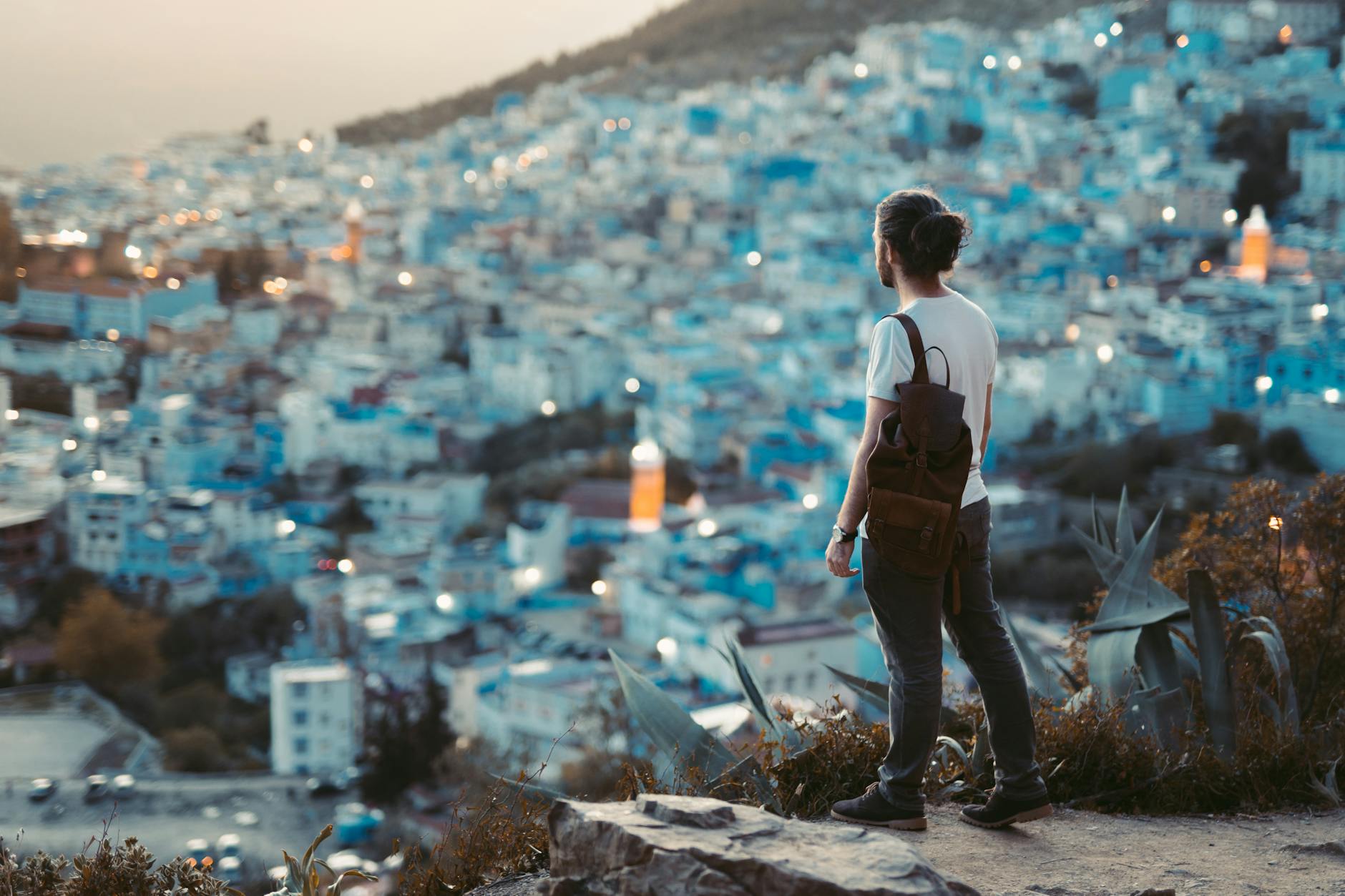
    photo of person wearing white shirt

    Written By:

    Published On:

    Last Modified:

    Morocco is one of the most dynamic and diverse travel destinations in the world.

    Within a single day, you can hear the call to prayer echoing through a centuries-old medina, then find yourself riding a camel deep into the Sahara.

    But with only a week to explore, planning the right itinerary can be tricky.

    Many travelers either rush through the highlights or miss entire regions altogether.

    This one week Morocco itinerary was built by travel professionals at Hyperfocus Adventures who know the country inside and out.

    It’s not just a list of stops, it’s a curated framework that helps you experience the full depth and variety Morocco has to offer, without wasting time.

    In just one week, this itinerary takes you from ancient alleyways to desert dunes, from mountain passes to bustling souks. We also add time built in to slow down, breathe, and sip mint tea along the way.

    Whether this is your first visit or your fifth, this itinerary is designed to give you the perfect balance of structure, flexibility, and unforgettable experiences with enough depth to feel immersive and enough breathing room to truly enjoy the journey.

    Day 1: Arrive in Casablanca and Visit the Hassan II Mosque

    Start your itinerary in Morocco’s largest city: Casablanca.

    Most international flights land here, so it makes a convenient place to begin.

    Spend your afternoon visiting the Hassan II Mosque, one of the only mosques in Morocco open to non-Muslim visitors.

    Its scale is massive, and the setting on the Atlantic makes it unforgettable.

    Enjoy eating dinner on the waterfront and get some rest before heading inland.

    The majestic Hassan II Mosque on the Casablanca coastline, bathed in warm sunset light.

    Hyperfocus Pro Tips

    • Book a mosque tour in advance if you’re visiting on Friday. Non-Muslim visitors are only allowed at specific times.
    • The Corniche is less crowded in the early evening. Aim for golden hour for the best views and photos.
    • Skip hotel restaurants. Try La Sqala for Moroccan fare in a courtyard setting or Rick’s Café for the movie nostalgia.

    Day 2: Head to Chefchaouen and Discover the Blue City

    The drive to Chefchaouen is long but scenic.

    Once you arrive, you’ll understand why it’s included in this itinerary.

    Tucked in the Rif Mountains, Chefchaouen is known for its blue-washed buildings and quiet pace, a peaceful escape from the intensity of Morocco’s larger cities, where every alley feels like a postcard and the air smells of orange blossoms and mountain breeze.

    Wander without a map, stop for fresh orange juice or local goat cheese, and hike to the Spanish Mosque at sunset for one of the best views in the country.

    A narrow alley in Chefchaouen, Morocco, with vivid blue-washed walls, decorative doors, and a Riad sign.

    Hyperfocus Pro Tips

    • Pack snacks and water. The drive is long, and roadside options are limited.
    • Chefchaouen is very walkable, but slippery. Wear shoes with grip for the steep, tiled streets.
    • The Spanish Mosque is an easy 20 minute uphill walk. Go 45 minutes before sunset for a quiet spot and incredible light.

    Day 3: Journey to Fes and Step into the Past

    Fes is intense in the best way.

    It’s a maze of history, craftsmanship, and daily life layered into narrow alleyways.

    Tour a medersa, watch leather being dyed in the tanneries, and learn how traditional ceramics are still made by hand.

    The medina can be disorienting, so hiring a licensed local guide is money well spent.

    End your day with a rooftop dinner overlooking the old city.

    Two people observing the densely packed buildings of Fes from a scenic viewpoint as the sun sets.

    Hyperfocus Pro Tips

    • Hire a certified local guide for the medina. DIY wandering is fun, but you’ll miss the context.
    • The best tannery view is from the leather shops above the pits, but be prepared for the smell. Mint sprigs are often offered at the door.
    • Stay inside the old medina for the most immersive experience, but expect early morning calls to prayer.

    Day 4: Travel to Merzouga and Enter the Sahara

    This is a long travel day, but it’s where the trip really shifts.

    You’ll drive through cedar forests, alpine villages, and eventually arrive in the desert.

    In Merzouga, trade your car for a camel and ride into the dunes of Erg Chebbi.

    At your camp, enjoy a traditional meal and music around the fire before falling asleep beneath a blanket of stars.

    A lone traveler silhouetted against the rising sun in the vast dunes of the Sahara Desert.

    Hyperfocus Pro Tips

    • Start early and build in buffer time. Road delays happen in the mountains.
    • • Bring sunglasses, a scarf, and a jacket. Desert temperatures swing hard from hot days to cold nights.
    • Choose a desert camp that includes private tents and en-suite bathrooms if comfort matters to you. Not all are created equal.

    Day 5: Explore Todra Gorge and the Dades Valley

    Wake up early to watch the sun rise over the dunes, then head west.

    Todra Gorge is a dramatic canyon perfect for stretching your legs.

    Continue into the Dades Valley, where red rock cliffs and winding roads make for excellent photography and quiet guesthouse stays.

    This region feels far removed from the cities and offers a glimpse into rural Moroccan life.

    A dramatic river canyon cutting through rocky cliffs, lined with patches of green vegetation.

    Hyperfocus Pro Tips

    • Stop at Tinghir market en route for fruit and local snacks.
    • The gorge is great for short walks. Go early morning or late afternoon for fewer crowds and better light.
    • Choose a guesthouse that includes dinner. Restaurants are scarce, and homemade Moroccan meals here are some of the best you’ll find.

    Day 6: Visit Aït Ben Haddou and Cross the High Atlas Mountains

    Aït Ben Haddou is one of the best preserved ksars in Morocco.

    It has been used as a backdrop for everything from Gladiator to Game of Thrones.

    Walk through its earthen alleys and climb to the top for panoramic views.

    From here, drive over the Tizi n’Tichka Pass through the High Atlas Mountains toward Marrakech.

    The route is winding but stunning, so take your time and enjoy the changing landscape.

    The iconic earthen clay buildings of Aït Benhaddou perched on a hillside, surrounded by palm trees.

    Hyperfocus Pro Tips

    • Hire a local guide at the entrance to Aït Ben Haddou. They’ll help you appreciate what you’re looking at.
    • Bring cash. There’s a small entry fee for most houses, and some vendors sell beautiful handmade crafts without card readers.
    • The Tizi n’Tichka pass is dramatic but winding. Motion sickness pills are smart if you’re prone.

    Day 7: Experience the Mystery of Marrakech

    Marrakech is energetic, colorful, and full of contrasts.

    Spend your day browsing the souks, visiting the Bahia Palace, and relaxing in the Majorelle Garden.

    If you need a break from the crowds, book a spa treatment or rooftop lunch away from the medina.

    It’s the perfect place to reflect on your week before flying out or continuing your journey.

    A bustling market square in Marrakech viewed from a shaded café, with green umbrellas and crowds.

    Hyperfocus Pro Tips

    • Jemaa el-Fnaa is best in the evening when the food stalls open. Be sure to watch your belongings and agree on prices before sitting.
    • For a quieter escape, visit Majorelle Garden early when it opens. Combine it with the Yves Saint Laurent Museum next door.
    • Don’t over-schedule. Marrakech can be sensory overload. Take breaks at rooftop cafés to regroup and recharge.

    Morocco Travel Guide

    Morocco’s climate varies by region and time of year, so layers are key.

    Bring lightweight, breathable clothes for warm days, and a fleece or jacket for cool nights, especially in the desert.

    Women may want a scarf for visiting religious sites.

    Comfortable walking shoes are a must, and a universal adapter will keep your devices charged.

    Refillable water bottles are easy to carry and help reduce plastic waste.

    A group of tourists riding camels led by local guides across the golden sands of the Sahara at sunset.

    Hyperfocus Pro Tips

    • Morocco is modest but modern. You don’t need to cover your head, but avoid short shorts and tank tops in conservative areas.
    • A lightweight travel scarf is your MVP. It will be useful for sun, style, and respect.
    • Baby wipes are a must-have in the desert. You know why.
    • Bring a power bank for long drives and remote locations.

    This Morocco itinerary can be done on a mid-range budget or upgraded for more comfort.

    Expect to spend the following per person:

    A peaceful riad courtyard in Morocco with a turquoise plunge pool, tiled walls, and lush greenery.

    Lodging: Morocco offers a wide range of accommodations to suit every budget and travel style.

    Backpackers and minimalist travelers can find clean, comfortable hostel beds or simple guesthouses for around $25 per night.

    For a more immersive experience, consider a mid-range riad (a traditional Moroccan home with an interior courtyard), which typically runs $50 to $80.

    Higher-end riads or boutique hotels offer elevated design, premium service, and central locations for around $100 per night.

    In more rural areas or desert towns, you’ll often get more value for less.

    Many rates include breakfast, so double-check before booking.

    Locals buying meat at a traditional butcher stall in a Marrakech market, showcasing daily life and street culture on a Morocco itinerary.

    Food: Eating well in Morocco doesn’t have to cost much.

    Street food, cafés, and local restaurants offer hearty meals like tagine, couscous, or grilled meats for just a few dollars.

    A full breakfast or lunch might cost $3 to $6, while dinner at a modest sit-down restaurant generally runs $8 to $12.

    If you’re dining at high-end restaurants or hotel eateries, expect to pay closer to $25 or more per meal.

    Many riads include breakfast, and food tours or cooking classes are a worthwhile splurge if you want a deeper connection to Morocco’s culinary traditions.

    Transportation: Transportation is one of the biggest variables in your Morocco itinerary budget.

    A private driver for a full week typically costs between $200 and $300 per person when split among two or more travelers.

    This option offers the most flexibility, especially for reaching places like Chefchaouen or Merzouga.

    Self-driving is another option, with rental cars costing $30 to $50 per day depending on size and insurance.

    For tighter budgets, long-distance buses like CTM or Supratours are clean, safe, and extremely affordable, though slower.

    Taxis within cities are inexpensive but require cash and a little negotiation.

    Experiences: Experiences are where Morocco shines, and where it’s worth spending a little more.

    A guided medina tour in Fes or Marrakech ranges from $25 to $60 and adds tremendous value.

    Desert excursions, including camel rides and overnight camps in Merzouga, typically cost between $60 and $120 depending on comfort level and inclusions.

    Entry fees for sites like Bahia Palace, Majorelle Garden, or historical madrasas range from $5 to $15.

    Add-on experiences like cooking classes, hammams, and guided hikes are also popular and reasonably priced.

    Expect to spend $100 to $200 total if you plan 2–3 immersive experiences.

    A smiling Berber man in a blue robe playing a traditional Moroccan instrument against a mud-brick wall.

    Hyperfocus Pro Tips

    • Carry cash in small denominations. Many places don’t accept cards, especially in rural areas.
    • Tipping is customary for guides, drivers, and hotel staff. Tipping about 10 percent is standard.
    • Bargain respectfully. In souks, expect to negotiate, but do it with a smile.

    How to Time Your Morocco Visit

    Spring and fall are ideal for travel with this itinerary.

    You’ll get sunny days and cool evenings without the crowds of peak summer.

    Summer is best avoided in the desert unless you’re fully prepared for the heat.

    Winter is a good time to visit cities and the coast, though mountain areas can get cold.

    Regardless of the season, the diversity of landscapes means Morocco is always in season somewhere.

    Hyperfocus Pro Tips

    • Ramadan changes everything. While it can be a meaningful time to visit, some shops and restaurants may have limited hours.
    • Shoulder seasons (March to May, September to November) give you the best combo of weather and pricing.
    • If you’re visiting in winter, check ahead. Mountain roads can be icy, and desert nights require real insulation.

    If you’re short on time, skip Chefchaouen and start in Fes.

    This will work to bring it down to a possible 6 or 5 day Morocco itinerary.

    If you’re craving more downtime, add an extra night in the desert or along the coast.

    You can also reverse the route by starting in Marrakech and ending in Casablanca depending on your flight availability.

    This Morocco itinerary is flexible enough to scale up or down depending on

    A vibrant pile of red fishing nets with white and orange floats on the harbor in Rabat, Morocco, with the Kasbah of the Udayas visible across the Bou Regreg river.

    Hyperfocus Pro Tips

    • Flying into Marrakech and out of Casablanca (or vice versa) saves you from backtracking. Look for open-jaw flights.
    • If you want more cultural depth, add time in Fes or Marrakech. If you want more nature, build in days in the High Atlas or along the coast in Essaouira.

    This 7 day Morocco itinerary brings together the country’s most iconic experiences in one smooth and rewarding route.

    It’s been crafted by people who live and breathe travel, not influencers passing through for a weekend.

    Whether you’re dreaming about your first trip or refining your fifth, you can trust this Morocco itinerary to guide your adventure.


    At Hyperfocus Adventures, every Morocco itinerary we create is built as a flexible framework.

    It’s just a starting point you can shape to match your own travel style. This 7 day Morocco itinerary isn’t about squeezing into a strict schedule.

    It’s a curated path through the country’s most iconic experiences, giving you the structure you need with the freedom to make it your own.

    Whether you follow it step by step or use it as inspiration, this Morocco itinerary is your launchpad for an unforgettable journey.

    If planning your Morocco itinerary feels like too much, you’re not alone!

    You don’t have to figure it all out by yourself.

    Talk to a Trip-Sitter

    We’ll help you simplify the process on building a 7, 6 or even 5 days in Morocco itinerary, answer your questions, and turn your travel dreams into a plan that actually works.

  • The Most Epic 7 Day Costa Rica Itinerary (2026)

    The Most Epic 7 Day Costa Rica Itinerary (2026)

    a purple and black pattern

    7 Day Costa Rica Itinerary (2026)

    Smiling woman in colorful traditional attire during a street festival, showcasing the cultural side of a Costa Rica itinerary.

    Written By:

    Published On:

    Last Modified:

    aerial shot of trees

    Why Costa Rica Is the Perfect 7-Day Destination

    With just a week to spare, this itinerary offers an incredibly diverse adventure that packs in lush rainforests, smoldering volcanoes, postcard-worthy beaches, and rich cultural heritage.

    Located in the heart of Central America, this eco-tourism haven allows you to experience multiple microclimates and ecosystems in a short amount of time, making it a dream destination for anyone with a passion for nature, adventure, or relaxation.

    From the moment you arrive, you’ll feel the slow, intentional rhythm of the local lifestyle, famously known as pura vida. It’s not just a saying, it’s a way of life.

    Friendly locals (known as Ticos), sustainable travel infrastructure, and easy logistics make Costa Rica both welcoming and accessible, especially for first time international travelers.

    Over the span of 7 days, you can chase waterfalls in the jungles of La Fortuna, hike through cloud forests in Monteverde, soak in natural thermal hot springs, and spot sloths and monkeys in Manuel Antonio National Park.

    Whether you’re ziplining through a canopy or sipping fresh coffee with a volcano view, each day will feel like its own mini escape.

    Clouds cloaking the top of Arenal Volcano with lush slopes below, setting the scene for your Costa Rica itinerary.

    Costa Rica is also a model for sustainable tourism.

    Over 25% of the country is protected land, and much of your travel experience will directly support conservation and local communities.

    This commitment makes it an ideal destination for responsible travelers who want their trip to have a positive impact.

    Finally, the infrastructure is built for travelers.

    Domestic transport options are easy to navigate, English is widely spoken in tourist areas, and the U.S. dollar is accepted in many places.

    After completing this 7 day Costa Rica itinerary, you’ll return home with the kind of memories that usually take a month to make.

    Costa Rica isn’t just a vacation, it’s a complete reset, full of discovery, wonder, and adventure, all wrapped into one unforgettable Costa Rica itinerary.

    What to Know Before You Go

    Planning ahead is key to making the most of your 7-day Costa Rica itinerary.

    The country is incredibly diverse, and a bit of knowledge goes a long way in avoiding common travel hiccups.

    Close up of a colorful keel billed toucan, highlighting the exotic wildlife in a Costa Rica itinerary.

    Key Travel Info: Weather, Money, and Language

    Costa Rica has two main seasons: dry (December to April) and rainy (May to November).

    The dry season is ideal for beach days and outdoor adventure, while the rainy season brings lush green landscapes and fewer tourists.

    Pack a lightweight rain jacket year-round, especially if you plan to explore the cloud forests.

    The local currency is the Costa Rican colón (CRC), but U.S. dollars are widely accepted, particularly in tourist areas.

    Carry small bills for local markets and rural stops, and expect better exchange rates at banks or ATMs than airport kiosks.

    Credit cards are also accepted in most places.

    Spanish is the official language, but English is commonly spoken in hotels, restaurants, and tour agencies.

    Still, learning a few key phrases like “hola” (hello), “gracias” (thank you), and “¿cuánto cuesta?” (how much does it cost?) can go a long way in building rapport with locals.

    Local vendor selling tropical fruits at a roadside stand, capturing the everyday charm of a Costa Rica itinerary.

    Safety-wise, Costa Rica is considered one of the safest countries in Central America.

    Petty theft can happen (especially in busy tourist areas), so keep an eye on your belongings and avoid flashing valuables.

    Tap water is safe to drink in most regions, though you may want to stick to bottled water in more remote areas.

    Travel insurance is highly recommended.

    Many tours require it, and it can be a lifesaver in case of emergency medical situations or unexpected trip changes.

    Make sure it includes adventure activities like ziplining or rafting if they’re part of your plans.

    Lastly, remember that Costa Rica runs on Tico time—a relaxed, flexible approach to scheduling.

    Tours may start a little late, roads might be slower than expected, and plans may shift due to weather.

    Embrace the flow, and you’ll have a much better experience.

    Costa Rica Itinerary (Day-by-Day Breakdown)

    Day 1 – Arrive in San José

    Sunlight piercing through clouds over the Central Valley, capturing the dramatic skyline and natural beauty near San José on your Costa Rica itinerary.

    Welcome to Costa Rica! Most international flights arrive in San José, the capital city and cultural hub.

    After customs, settle into your hotel and take it easy.

    You might be tempted to rush off, but easing into the trip helps you acclimate and recover from travel fatigue.

    Spend the afternoon strolling through downtown.

    Visit Mercado Central for local snacks and souvenirs or check out the historic National Theater and nearby museums.

    In the evening, enjoy a delicious Costa Rican dinner—casado (rice, beans, salad, plantains, and meat) is a staple.

    If you’re staying in the trendy Barrio Escalante neighborhood, you’ll find dozens of open-air restaurants, cafes, and craft breweries where locals gather to unwind.

    For coffee lovers, Café del Barista and Franco Café are two great spots to sip a local brew and start adjusting to the pura vida pace.

    Prefer art or history?

    Stop by the Jade Museum or Gold Museum for a quick but impactful glimpse into Costa Rica’s pre-Columbian past.

    For a more immersive welcome, consider booking a guided food or walking tour that dives into Costa Rican culture and culinary traditions.

    These tours are a great way to meet fellow travelers and get insider tips from locals.

    If your arrival is early enough, you could even catch a cultural performance at the National Theater—check ahead for showtimes.

    Transportation is easy within the city using Uber or licensed taxis.

    If you’re planning to rent a car, it’s often more convenient to arrange pickup on Day 2 to avoid navigating traffic right after a flight.

    Ultimately, Day 1 is about orientation and restoration.

    There’s no pressure to do it all—just soak up your surroundings, get your bearings, and enjoy your first taste of Costa Rica’s warmth and vibrancy.

    The real adventure begins tomorrow.

    Hyperfocus Pro Tips

    • Book a hotel close to the airport or in Barrio Escalante for easy food access.
    • Don’t over-plan Day 1; flights and customs can be tiring.
    • Use this time to pick up a local SIM card or exchange currency.

    Day 2 – Arenal Volcano & Hot Springs

    Arenal Volcano towering over the rainforest, an iconic highlight in any Costa Rica itinerary.

    After breakfast, make your way north to La Fortuna, home to the majestic Arenal Volcano.

    The drive takes about 3–4 hours, or you can opt for a shared shuttle or private transfer.

    This journey takes you through rolling hills, lush farmland, and tiny roadside towns offering a first taste of rural Costa Rica.

    Don’t be afraid to stop along the way to grab a fresh coconut or take a photo of the countryside.

    Once you arrive in La Fortuna, the dramatic cone-shaped volcano will dominate the landscape.

    It’s one of the most iconic images of Costa Rica, and on a clear day, it feels almost surreal to see it rising so sharply from the surrounding greenery.

    Spend your afternoon exploring Arenal Volcano National Park.

    Several trail options offer different vantage points, from the old lava fields to panoramic views of Lake Arenal.

    If you’re lucky, you might even spot howler monkeys, toucans, or coatis along the way. Wear good hiking shoes and bring water—the tropical humidity can sneak up on you.

    After your hike, it’s time to unwind in one of La Fortuna’s famous hot springs.

    The mineral-rich waters are heated by the geothermal activity of the volcano and range from quiet and natural to lively and luxurious.

    Tabacón Grand Spa is the most well-known for its jungle setting and elegant ambiance, while EcoTermales offers a more private, intimate experience.

    For budget-conscious travelers, spots like Baldi or Los Lagos still offer a great soak with added amenities.

    As evening falls, enjoy dinner in town—try a wood-fired pizza at Restaurante Anch’io or fresh tilapia at a local soda.

    La Fortuna has a surprisingly vibrant food scene, so don’t be afraid to explore.

    You’ll sleep well tonight after a day filled with travel, nature, and rejuvenation.

    Hyperfocus Pro Tips

    • Stop at the La Paz Waterfall Gardens en route if driving.
    • Reserve hot spring access in advance during high season.
    • Bring water shoes for rocky thermal pools.

    Day 3 – La Fortuna Adventure Day

    La Fortuna Waterfall crashing into the rocks below, a must-see stop on any Costa Rica itinerary.

    Get ready for adrenaline.

    La Fortuna is Costa Rica’s adventure capital, and today you’ll dive into it.

    Start with a morning hike to La Fortuna Waterfall—a 200-foot cascade that crashes into a vivid blue pool below.

    The trail involves a steep descent of around 500 steps, but the reward at the bottom is worth every one.

    Bring your swimsuit and water shoes to enjoy a refreshing swim, and arrive early to beat the crowds and catch the best light for photos.

    After drying off, head back into town to grab a smoothie or a quick breakfast.

    Then, the real adventure begins.

    La Fortuna offers an unbeatable lineup of thrill-seeking options.

    One of the most popular is whitewater rafting on the Río Balsa, which offers Class II–III rapids and a perfect blend of excitement and scenery.

    You’ll paddle past lush jungle, spot wildlife like toucans and iguanas, and stop for a riverside snack.

    Not into rafting?

    Ziplining is another iconic choice.

    Soar above the forest canopy on high-speed cables that offer jaw-dropping views of Arenal Volcano.

    Some courses even include a Tarzan swing or rappel, combining several adventures into one.

    If you’re more grounded but still want a rush, try canyoning (waterfall rappelling) through rugged river gorges, or opt for a scenic horseback ride along jungle trails with volcano vistas.

    Most adventure packages include transport, gear, and a typical Costa Rican lunch.

    Tours run rain or shine, so don’t be discouraged by clouds—just bring a quick-dry outfit and a change of clothes.

    In the evening, unwind with a casual dinner or consider revisiting the hot springs.

    After a day of heart-pounding excitement, your muscles will thank you—and you’ll sleep like a baby in your jungle lodge or cozy hotel.

    Hyperfocus Pro Tips

    • Book adventure tours with certified guides and safety gear.
    • Don’t overpack your day—choose 1–2 big activities max.
    • Eat at a soda (local eatery) for a cheap, authentic meal.

    Day 4 – Monteverde Cloud Forest

    Red hanging bridge through the misty cloud forest of Monteverde, a magical part of any Costa Rica itinerary.

    Rise early and head to Monteverde, about a 3.5-hour scenic drive through winding mountain roads.

    As you climb higher into the hills, the landscape shifts dramatically.

    The temperature drops, the air becomes crisp, and the mist begins to thicken—welcome to Costa Rica’s cloud forest region.

    This high-altitude oasis is home to one of the most biodiverse ecosystems on Earth and offers a complete contrast to the tropical lowlands you’ve just left behind.

    Once in Monteverde, check into your eco-lodge or guesthouse, then head straight to the Monteverde Cloud Forest Reserve.

    A guided walk is highly recommended—naturalist guides will help you spot elusive wildlife like resplendent quetzals, toucans, agoutis, and even sloths, all while teaching you about the delicate cloud forest ecosystem.

    The reserve features a series of trails that wind through dense vegetation, past waterfalls, and under moss-covered trees.

    One of the highlights is the network of hanging bridges that allow you to walk above the canopy—a magical, dreamlike experience as fog rolls across the treetops and birds dart overhead.

    If you’re interested in Costa Rican agriculture, consider booking an afternoon coffee, chocolate, or sugarcane tour.

    You’ll visit a working farm where you can roast coffee beans, press sugarcane juice, or hand-grind cacao into raw chocolate.

    It’s a delicious and educational way to support local producers.

    Monteverde also has a small town center with artisan shops, cafes, and bakeries.

    Try a slice of homemade banana bread or grab a cup of freshly roasted coffee—it doesn’t get fresher than this.

    As night falls, consider joining a night wildlife tour to see nocturnal creatures like tarantulas, kinkajous, and owls.

    After a day immersed in mist and magic, you’ll understand why Monteverde feels like another world entirely.

    Hyperfocus Pro Tips

    • Pack layers—the weather here is cool and damp.
    • Use a guide for wildlife spotting—they know where to look.
    • Bring binoculars and a reusable water bottle.

    Day 5 – Travel to Manuel Antonio

    A car driving through a dense palm plantation, offering a glimpse of road trip life on a Costa Rica itinerary.

    Today is a travel day, so grab breakfast early and hit the road toward Costa Rica’s stunning Pacific Coast.

    The drive from Monteverde to Manuel Antonio takes about 4–5 hours, depending on road conditions and how many scenic detours you take.

    It’s a long ride, but the ever-changing landscape—from misty mountains to sun-drenched coast—is a journey in itself.

    You’ll descend out of the highlands and pass through rolling farmland, jungle-draped hills, and bustling towns.

    A great first stop is the Tarcoles River Bridge, known for the dozens of massive crocodiles that sunbathe just beneath it.

    Vendors nearby sell cold drinks and souvenirs, making it a quick but memorable photo op.

    If you’re craving a break, swing through Jaco for lunch or a coffee.

    It’s a lively surf town with a laid-back vibe, beach access, and plenty of oceanfront eateries.

    Keep your camera ready—scarlet macaws are often spotted flying overhead or nibbling almonds in roadside trees.

    Continue down the coastal highway toward Quepos, the gateway to Manuel Antonio.

    Once you reach town, the pace slows and the ocean takes center stage.

    Check into your beachside hotel, jungle cabina, or boutique resort—many places here offer sweeping views of the ocean and rainforest.

    Depending on your arrival time, head to Playa Espadilla for a late afternoon dip or a golden sunset walk.

    The waves are gentle and perfect for swimming.

    If you’re in the mood to kick back, grab a cocktail or local Imperial beer at a beach bar, then head to a casual restaurant for fresh seafood.

    Grilled mahi mahi, shrimp ceviche, and plantain chips are local favorites.

    Day 5 is all about the transition—leaving the clouds behind and sinking into beach mode.

    Hyperfocus Pro Tips

    • Start early to maximize afternoon beach time.
    • Fill up on gas before leaving Monteverde—it’s a remote area.
    • Grab ceviche or gallo pinto from a seaside soda.

    Day 6 – Manuel Antonio National Park

    Aerial view of a turquoise beach cove in Manuel Antonio, perfect for a relaxing Costa Rica itinerary day.

    This is one of Costa Rica’s most iconic spots, and for good reason.

    Manuel Antonio National Park is a perfect blend of lush rainforest, powdery white-sand beaches, and incredible biodiversity—all within one compact, visitor-friendly area.

    It’s an ideal place to slow down and fully immerse yourself in the beauty of the natural world.

    Arrive early—really early—if you want to beat the crowds and the midday heat.

    The park opens at 7 a.m. and often reaches capacity during high season.

    Bring your passport for entry, as it’s required for admission.

    Local guides are available at the entrance and are well worth the cost if you want help spotting wildlife.

    With a trained eye and telescope, you’ll likely see howler monkeys, white-faced capuchins, iguanas, sloths, and a dazzling array of tropical birds.

    The park features a well-maintained trail system suitable for most fitness levels.

    The main trail is flat and shaded, while side routes like the Cathedral Point Trail offer elevated lookouts with jaw-dropping ocean views.

    Wear closed-toe shoes and bring water, sunscreen, and insect repellent—though do note that plastic bottles and snacks are not allowed inside, so plan accordingly.

    After your hike, reward yourself with some serious beach time. Playa Manuel Antonio, nestled in a sheltered cove, is a local favorite with calm turquoise water that’s great for swimming.

    If you want more space to spread out, Playa Espadilla Sur offers a slightly wilder, less crowded vibe—just a short walk from the main path.

    Spend the afternoon soaking in the sun, floating in warm Pacific waves, or reading under the shade of a sea almond tree.

    Just keep an eye on your bag—those curious raccoons and monkeys are known to “borrow” anything left unattended.

    This day is pure Costa Rican magic.

    Hyperfocus Pro Tips

    • Bring snacks and water—outside food isn’t sold inside the park.
    • Closed-toe shoes are required for some trails.
    • Don’t feed the wildlife (it’s illegal and harmful to them).

    Day 7 – Return to San José & Departure

    Sailboat drifting into the ocean sunset—an idyllic farewell moment from your Costa Rica itinerary.

    Wrap up your Costa Rica trip with a peaceful, slow-paced morning on the coast.

    After a week of adventure, nature, and cultural exploration, let your final hours be about gratitude and relaxation.

    Wake up early and take one last barefoot walk along Playa Espadilla, or sip coffee on your balcony while listening to howler monkeys in the trees.

    This is your chance to soak in the atmosphere before reentering the rhythm of everyday life.

    If time allows, visit a local artisan market or roadside souvenir stand before hitting the road.

    Handmade jewelry, wooden crafts, organic chocolate, and local coffee beans all make meaningful, packable gifts.

    Quepos has several small vendors where you can support local families directly.

    The drive back to San José takes 3–4 hours, and while the highway is mostly paved and straightforward, unexpected delays from construction or weather are always a possibility—so leave with plenty of buffer time.

    If you didn’t stop in Tarcoles or Jaco earlier in the week, this is your final chance to make a quick detour for one last scenic view or snack stop.

    For travelers flying out later in the evening, a lunch stop at a hilltop restaurant overlooking the Central Valley can be a lovely way to break up the drive.

    Otherwise, plan to return your rental car near the airport and check into an airport hotel if your flight is the next day.

    Before heading to the terminal, take a moment to reflect on your trip.

    From volcanic peaks to jungle canopies to beach sunsets, you’ve just experienced the very best of Costa Rica in seven unforgettable days.

    It won’t be long before you’re dreaming of coming back. Until then—pura vida.

    Budget Breakdown for a 7 Day Trip

    Vibrant pink and orange sunset skies over open fields—capturing the beauty of a budget-friendly Costa Rica itinerary.

    Costa Rica can suit a wide range of travel budgets, making it a flexible destination whether you’re a backpacker or a luxury traveler.

    Here’s a general cost breakdown for a one-week itinerary:

    • Lodging: $30–150 per night
      From budget-friendly hostels and simple guesthouses to boutique eco-lodges and beachfront resorts, you’ll find something for every style. Hostels often include breakfast and shared kitchens, while mid-range hotels may offer amenities like air conditioning and private balconies.
    • Food: $10–40 per day
      Stick to sodas (local restaurants) for hearty meals at low prices—around $5–8 per plate. Upscale restaurants in tourist areas will cost more, especially in places like La Fortuna and Manuel Antonio, but the quality and ambiance usually justify the splurge.
    • Transport: $150–300
      Shared shuttles between destinations cost about $40–70 per ride, while car rentals run around $50/day, not including insurance. Gas is pricey, but the freedom to stop whenever you want is a major perk. Public buses are the cheapest option but take longer and often require more planning.
    • Activities: $200–500
      Guided hikes, canopy tours, rafting, and hot spring passes add up, especially if you’re packing in adventure. Combo tours often offer better value and save time on logistics.
    • Extras: $50–100
      This includes tips for guides, souvenir shopping, snacks, or entrance fees to museums or attractions not included in tours.

    Total Estimates:

    • Budget: $800–1000
    • Mid-Range: $1200–1800
    • Luxury: $2500+

    To save money, travel with a buddy to split costs on lodging and car rentals.

    Book early for the best deals during high season (December to April), and consider shoulder season (May or November) for lower prices and thinner crowds.

    Ways to Customize Your Costa Rica Itinerary

    Hidden jungle waterfall surrounded by lush green vegetation—perfect for a nature-filled Costa Rica itinerary.

    Looking for more adventure?

    Prefer a slower pace?

    Costa Rica makes it easy to personalize your trip to match your travel style—and your energy level.

    With a little tweaking, this Costa Rica 7 day itinerary can become a Costa Rica 2 week itinerary.

    Families: Traveling with kids? You can easily turn this into a Costa Rica family itinerary! Swap high-adrenaline activities for educational and wildlife-focused experiences. The Butterfly Conservatory in El Castillo and the Serpentarium in Monteverde are great introductions to Costa Rica’s biodiversity. In Manuel Antonio, the park’s easy trails and proximity to the beach make it perfect for younger explorers. Many hotels offer family-sized rooms, and local sodas often have kid-friendly menus.

    Couples: Make it romantic with a few indulgent upgrades. Book a night at an eco-luxury lodge with an open-air spa, or reserve a private hot spring session under the stars. Add a sunset catamaran cruise in Manuel Antonio or a couples massage with volcano views in La Fortuna. Costa Rica’s natural beauty and relaxed pace make it an ideal destination for romance and reconnection.

    Photographers & Birders: If capturing wildlife and landscapes is your goal, consider spending more time in Monteverde or adding a detour to Tortuguero on the Caribbean coast. These regions offer a staggering array of endemic species, and guided nature tours will help you find rare birds like the resplendent quetzal or great green macaw. Sunrise and sunset walks are especially rewarding for golden light and animal activity.

    Slow Travelers: If you prefer depth over breadth, trim the itinerary down to two or three base locations. Spend extra days immersing yourself in the culture, exploring local markets, or just hammocking in the jungle. You’ll experience more by doing less.

    After all, pura vida means going with the flow—your trip should reflect your rhythm, not someone else’s checklist.

    Final Thoughts on Your Costa Rica Itinerary
    Airplane on the runway during golden hour, symbolizing the end of a Costa Rica itinerary adventure.

    This Costa Rica itinerary is just enough to fall head over heels for the country’s wild beauty, welcoming people, and peaceful pura vida lifestyle.

    This 7-day itinerary offers a perfect blend of nature, culture, adventure, and rest—so you can hike volcanoes, swim in waterfalls, walk among the clouds, and still have time to lie on the beach with your toes in the sand.

    You don’t have to choose between seeing it all and enjoying it all. With the right plan, Costa Rica gives you both.

    And that’s where Hyperfocus Adventures comes in.

    a colorful logo with a globe in the middle of it

    We don’t just hand you a list of places to go—we build a custom itinerary that’s tailored to you.

    Want more nature and fewer tourists?

    We’ve got you.

    Prefer private transfers and eco-luxury lodging with hot springs under the stars?

    Easy.

    Need a family-friendly route with minimal driving and maximum downtime?

    We’ll design it.

    Every trip-sitter on our team is a real traveler, not a booking bot.

    We take the time to understand your travel style, preferences, and goals, and then we craft a day-by-day plan that removes the guesswork and amplifies the magic.

    We’ll help you book trusted tours, avoid tourist traps, and uncover those off-the-beaten-path moments you’ll never forget.

    Whether you’re dreaming of your very first international adventure or you’re a seasoned globetrotter looking for something new, we’re here to make the planning as effortless as the journey is unforgettable.

    So don’t settle for cookie-cutter.

    Let’s turn your vision into a custom-crafted, possibly even 10 day Costa Rica itinerary that feels like it was made just for you—because it was.

    Your next adventure starts here. Reach out to a trip-sitter at Hyperfocus Adventures and let’s build your perfect Costa Rica escape.