Author: Rebecca Lingelbach

  • The Most Epic 3 Day Kyoto Itinerary (2026)

    The Most Epic 3 Day Kyoto Itinerary (2026)

    a purple and black pattern

    3 Day Kyoto Itinerary (2026)

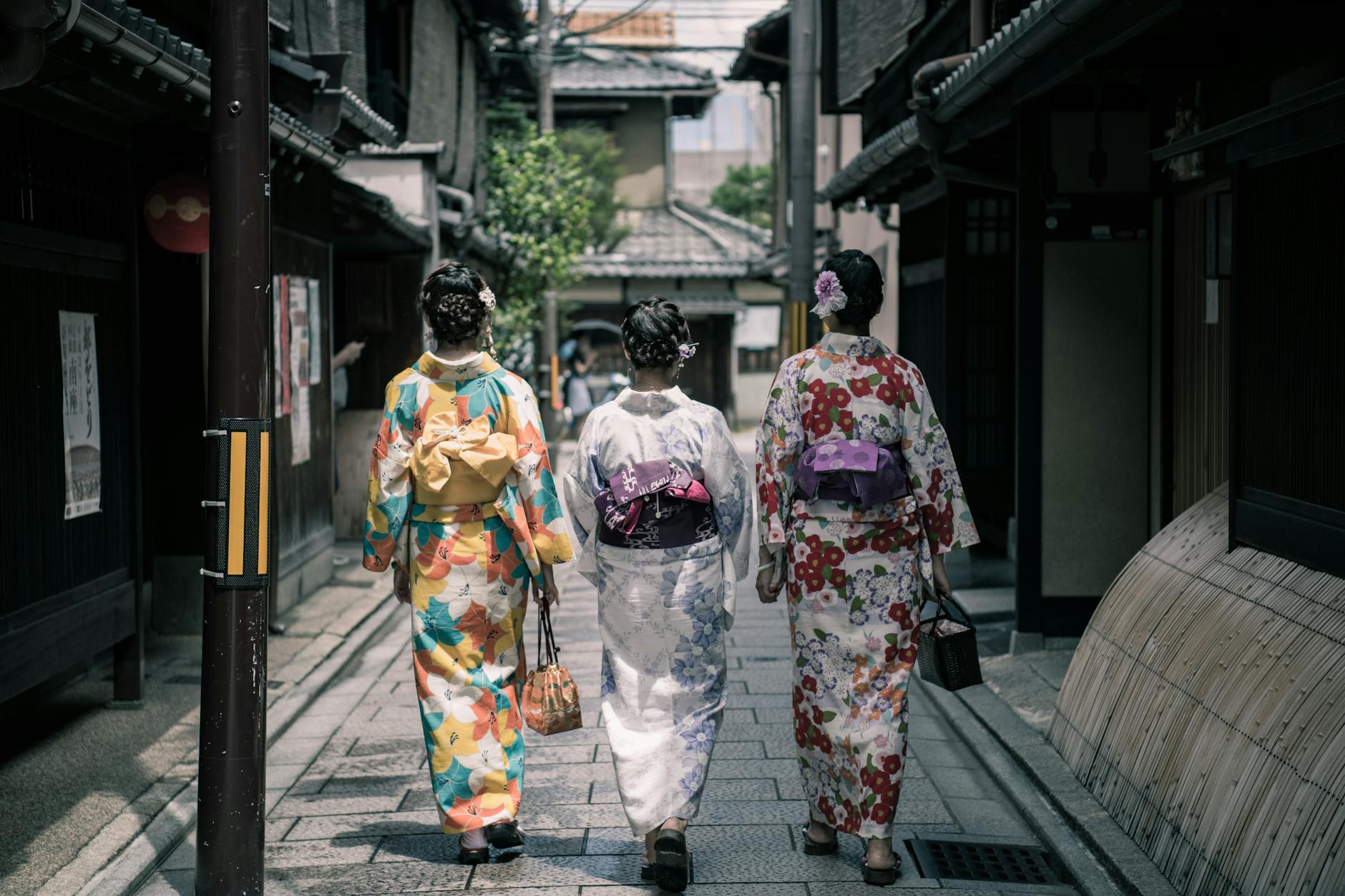
    three geisha walking between buildings

    Written By:

    Published On:

    Last Modified:

    Why Kyoto Still Matters

    temple as part of a kyoto itinerary

    Kyoto isn’t just a city, it’s a living contradiction.

    A place where monks still rake gravel into meditation patterns while high schoolers livestream the moment.

    Where you can sip centuries old matcha from a hand thrown ceramic bowl, then tap your IC card to buy a vending machine beer two blocks over.

    It’s ancient.

    It’s modern.

    It’s messy in all the right ways.

    This isn’t Tokyo’s neon sprawl or Osaka’s street food chaos.

    Kyoto is Japan’s cultural soul, layered in temples, tradition, and restraint.

    It’s been through wars, fires, tourism booms, and now, post-pandemic rebirth.

    And yet it stands, not like a museum piece, but like an old soul that’s evolved just enough to survive.

    Kyoto doesn’t beg for attention.

    It commands respect.

    But too often, travelers rush it.

    They run from shrine to shrine, cram in Instagram stops, and leave with souvenirs instead of stories.

    That’s not what this guide is about.

    This Kyoto itinerary is for you.

    The curious, independent traveler who wants more than a checklist.

    You want meaning in your movement.

    You want to eat things you can’t name, get lost in alleys with no English signs, and walk until your legs ache and your brain buzzes with awe.

    You want a Kyoto that still feels like Kyoto.

    We’ve built this 3 day plan with that spirit in mind.

    Each day has a theme, a rhythm, not just a list of attractions.

    There’s room in this Kyoto itinerary to linger, to detour, to say yes to the unexpected.

    This isn’t about seeing everything, it’s about feeling something.

    If you want a sanitized, hop on hop off Kyoto, close this tab.

    But if you’re here to dig a little deeper, welcome.

    You’re in the right place.

    Let’s begin.

    Key Kyoto Travel Tips

    blue and orange wooden pathway

    How to Get to Kyoto

    Getting to Kyoto is smoother than ever, thanks to Japan’s precision engineered train network.

    If you’re flying into Tokyo or Osaka, hop on the Tokaido Shinkansen: the bullet train slicing through the country like a whisper.

    From Tokyo, it’s just 2 hours and 15 minutes to Kyoto Station.

    If you’re coming from Osaka’s Kansai International Airport, you’re looking at a 75 minute journey by train or limousine bus.

    Pro tip: grab a JR Pass before you arrive in Japan, it’ll pay off fast.

    Best Areas to Stay for 3 Days

    With only 72 hours in Kyoto, location is everything.

    Stay in Gion if you want to wake up steeped in history; it’s where cobblestone alleys and centuries old teahouses still hum with Geisha traditions.

    For a livelier, budget friendlier stay, Kawaramachi gives you walkable access to food, shopping, and nightlife.

    Prefer something slower?

    Arashiyama is peaceful, nestled against the mountains, ideal for early risers who want to beat the crowds to the bamboo groves.

    Kyoto Transit Tips

    Kyoto runs on patience and buses.

    The subway network is limited, so get familiar with the bus system.

    Or better yet, rent a bike.

    It’s the best way to explore at your own pace.

    For public transport, grab an ICOCA or Suica card, both contactless and widely accepted.

    Just remember: buses can get packed, especially around temples.

    Expect delays, and avoid peak hours when possible.

    Kyoto Culture and Etiquette You Should Know

    This isn’t Tokyo.

    Kyoto is quieter, more reserved, and deeply traditional.

    ✅ Keep your voice down in public.

    ✅ Don’t walk and eat.

    ✅ Remove your shoes when entering homes, ryokan, or temples.

    Show respect at shrines: bow before entering, purify your hands, and skip the selfies in sacred spaces.

    You’re not just a visitor here, you’re stepping into someone’s living heritage.

    Treat it that way.

    In recent years, Kyoto has doubled down on overtourism control.

    Expect stricter rules in places like Gion, such as no photography in certain alleys, limits on group tours, and new pedestrian only zones during peak hours.

    On the flip side, there’s been a rise in digital convenience: contactless payments are near universal, multilingual signage is everywhere, and new walking tours are powered by AI guides you can chat with on your phone.

    Just don’t rely on Google Maps in the backstreets, it still gets lost where time stands still.

    Day 1: Temples, Tea, and Timeless Streets in Eastern Kyoto

    kinkaku ji japan

    A Sacred Hike to Watch the Sunrise

    Start before dawn.

    Grab a convenience store onigiri and take the early train to Fushimi Inari Taisha.

    The world famous torii tunnel starts off Instagrammable, but quickly turns quiet as you climb.

    Most tourists bail after the first few hundred gates.

    Keep going.

    The higher you climb, the fewer people you’ll see.

    It’s not just about the view, it’s about the silence, the rustling bamboo, and that deep, visceral sense of Japan’s spiritual backbone.

    Zen Calm at Tofukuji or Kiyomizudera Views

    After the descent, stop at nearby Tofukuji Temple.

    Fewer crowds, more moss, and rock gardens that don’t need translation.

    If you’re craving grandeur, detour to Kiyomizudera instead.

    The wooden veranda overlooking Kyoto’s sprawl is dramatic in any season, but skip the souvenir hell on the approach unless you love Hello Kitty in a kimono.

    Taste Kyoto at Nishiki Market

    By now, your stomach’s growling.

    Head north to Nishiki Market, a living alley of Kyoto food culture.

    Try skewered yuba (tofu skin), soy milk donuts, or pickled daikon that’ll make your mouth pucker like a punch.

    Don’t rush.

    Talk to vendors, ask questions, and eat with curiosity.

    This is street food with a story, and a little broken Japanese goes a long way.

    Walking Through Time

    unrecognizable people wearing kimono in tea room

    Next, wind your way up the sloped lanes of Sannenzaka and Ninenzaka.

    These preserved stone paths are lined with machiya (traditional wooden townhouses), tea shops, and craft stores.

    They’re touristy, yes, but not fake.

    End the walk at Yasaka Shrine, lanterns glowing even by day, and locals offering quiet prayers while the city pulses around them.

    Experience Nights in Gion Nights

    As twilight falls, cross into Gion.

    If you’re lucky and respectful, you might glimpse a maiko (an apprentice geisha) shuffling between appointments.

    Don’t chase her down with your iPhone.

    Better yet, book a spot in a tea ceremony, for a meditative, exacting ritual that forces you to slow down.

    If you want to splurge, dinner in a kaiseki restaurant offers flavors that match the streets.

    Delicate, layered, and deeply local.

    An Off the Radar Gem in Eastern Kyoto

    End the day at Izakaya Toyo.

    Part sushi counter, part beer slicked chaos.

    Anthony Bourdain loved it for its no frills honesty.

    You won’t find it in most guidebooks, but it’s the kind of place where Kyoto lets its hair down.

    Just you, a cold drink, and whatever’s freshest behind the counter.

    Day 2: Bamboo Forests, River Views, and Arashiyama Vibes

    people walking on bride in forest

    Arashiyama Bamboo Grove

    If Kyoto has a tourist trap, it’s the Arashiyama Bamboo Grove.

    But it’s still worth it if you do it right.

    Arrive early, before 8 AM, before the selfie sticks take root.

    Walk slow.

    The grove isn’t long, but the hush between those towering green stalks feels otherworldly, like stepping into a Miyazaki dream.

    If you time it with a light morning mist, you’ll understand why monks built temples here.

    Breakfast with a View

    Next stop: Tenryu-ji Temple, a UNESCO Zen landmark that’s as serene as the grove is cinematic.

    Spring for the temple garden access, then follow your nose to the nearby tofu spots.

    Tofu in Kyoto isn’t bland.

    It’s clean, creamy, and pulled from centuries old craft.

    Try it with yuzu, grilled, or in soup.

    Or skip the formality and grab taiyaki or yatsuhashi from a nearby vendor.

    Hozugawa River Adventures

    For midday, trade temples for nature.

    You’ve got two moves: rent a bike and pedal the riverside path, or take the Hozugawa River boat ride from Kameoka back to Arashiyama.

    Flat bottomed wooden boats glide through rapids and cliffs, captained by old school oarsmen who don’t need engines to impress you.

    It’s touristy, but still badass.

    Where to Eat in Arashiyama

    Lunch in Arashiyama is either serene or slammed.

    Duck into a hidden soba shop tucked behind Tenryu-ji, or go full local with a tofu kaiseki lunch.

    Bonus points for finding a restaurant with tatami seating and a garden view.

    Slow meals taste better in silence.

    Hidden Temples Worth the Trek

    moss covered buddha statues in kyoto japan

    In the afternoon, skip the crowds and head west to Gioji Temple, where moss creeps over every stone and time slows down.

    If you’ve still got energy, push further to Otagi Nenbutsu-ji, a temple lined with hundreds of hand carved rakan statues, each with its own weird little face, some laughing, some grimacing, all unforgettable.

    A Soak and Sip Kinda Night

    End the day how locals do: hot water and cold beer.

    Hit a traditional sento (public bath) like Funaoka Onsen, or if you’re craving something fancier, book a private onsen at a local ryokan.

    Then follow the steam trail to a backstreet izakaya (Japanese pub).

    Order the karaage, clink glasses with a stranger, and toast the best kind of tired.

    What to Skip in Arashiyama

    Let’s be real, not everything in Arashiyama is worth your time.

    Skip the rickshaw rides unless you’re dying for a photo op or enjoy paying top yen to be carted around by a guy sweating in tabi socks.

    The Iwatayama Monkey Park is another popular detour, but unless you’re itching to climb a steep hill to gawk at monkeys while dodging poop flung at your camera, you’re better off spending that time at Gio-ji or riverside instead.

    Avoid the riverside shops selling mass produced souvenirs labeled “handmade.”

    If it smells like plastic and has a Hello Kitty in a samurai outfit, keep walking.

    Same goes for overpriced cafés banking on Instagrammable views but serving bland matcha lattes.

    Arashiyama is stunning, you don’t need gimmicks.

    Stick to the quiet paths, hidden temples, and local food joints.

    Let the place breathe.

    Day 3: Philosophers, Museums, and Modern Kyoto

    photo of city buildings

    Strolling the Philosopher’s Path

    Ease into your final day with a slow walk down the Philosopher’s Path, a quiet stone lined canal once wandered by Zen monk Nishida Kitaro as he mulled the nature of existence.

    It’s a soft landing for the soul.

    Especially in the morning when the light filters through cherry trees, and the only sounds are your footsteps and the occasional wind chime.

    Along the way, stop into Ginkaku-ji (the Silver Pavilion), less flashy than its golden cousin but infinitely more poetic in its restraint.

    Kyoto Style Brunch Spots

    By now you’ve earned a real breakfast.

    Kyoto’s café scene has exploded in recent years with modern kissaten style cafés serving delicate pastries, siphon coffee, and artistic takes on Japanese breakfast.

    Try a spot like % Arabica for a designer espresso with a river view, or head into a machiya café in Higashiyama where you’ll sip matcha in a 200 year old teahouse surrounded by silence.

    Fill Your Afternoon with Culture

    Midday, you’ve got options.

    If you’re feeling intellectual, head to the Kyoto International Manga Museum.

    Yes, manga counts as cultural literacy in Japan.

    Prefer something hands on?

    Try a Kyo-yaki pottery workshop or learn how to gold leaf a folding fan.

    These aren’t tourist traps.

    They’re windows into centuries old traditions fighting to stay relevant in a world of QR codes and convenience stores.

    Peace at the Imperial Palace Park

    Next, find your way to Kyoto Gyoen, the vast park surrounding the Imperial Palace.

    No crowds.

    No noise.

    Just gravel paths, ancient trees, and the soft crunch of your own steps.

    It’s where Kyoto breathes.

    Bring a convenience store bento or some fresh fruit from Nishiki Market and park yourself on a bench for a quiet, contemplative lunch.

    Dining With a View

    For your last dinner, go big.

    Book a table with a view.

    Maybe a rooftop izakaya overlooking the Kamogawa, or a tucked away kappo restaurant near Pontocho Alley.

    Try Kyo-kaiseki if you haven’t yet: a multi-course experience where even the garnish tells a story.

    It’s less about filling your stomach and more about remembering where you are: in a city that whispers, not shouts.

    Last Night in Kyoto

    End your night on your feet.

    Walk the banks of the Kamogawa River, where couples sit in evenly spaced rows, saying everything and nothing.

    Or visit Nanzen-ji, one last temple glowing in the dusk.

    You won’t remember everything you saw in Kyoto.

    But if you let it, you’ll remember how it felt.

    Customizing Your 3 Day Kyoto Itinerary

    close up of sake barrels

    Got More Time?

    If you’ve got a fourth day, or even half of one, get out of town.

    Nara, just under an hour from Kyoto, is more than just deer selfies and Todai-ji’s Great Buddha.

    It’s a slower, sleepier taste of old Japan, where sacred meets surreal as deer bow for crackers in temple courtyards.

    Get there early, leave by mid-afternoon, and be back in Kyoto for dinner.

    Or head to Uji, a hidden gem even many Japanese skip.

    It’s the heartland of matcha culture, where tea isn’t just a drink, it’s a lifestyle.

    Tour the Byodoin Temple, a stunning phoenix winged hall that graces the back of the 10 yen coin.

    Then sip ceremonial grade matcha that tastes like spring earth and time itself.

    Short on crowds, long on charm.

    Travel Style Tweaks

    Solo travelers: this city was made for wandering alone.

    Kyoto rewards the curious and the quiet.

    Skip the big tour groups.

    Stay in a capsule hotel or guesthouse, and lean into conversation with local shopkeepers or fellow travelers over a bowl of ramen at the counter.

    Couples: Kyoto’s your mood lighting.

    Sunrise walks at Fushimi Inari, lantern lit dinners along Pontocho, garden strolls in Ginkaku-ji.

    It’s got all the ambiance without the cheese.

    Book one night in a ryokan with a private bath.

    Thank me later.

    Families: don’t be afraid.

    Kyoto’s surprisingly kid friendly, if you plan right.

    Stick to hands on experiences: calligraphy workshops, manga museums, monkey parks (yes, I trashed it earlier, but kids love it), and food markets where even the pickiest eaters can find fried chicken on a stick.

    Just skip the long temple crawls and stick to the hits.

    Tight on Time? What to Cut First

    Only got two days?

    Drop the boat ride and the long trek to Otagi Nenbutsu-ji. Nice, but not essential.

    Prioritize Fushimi Inari, Nishiki Market, and a walk through Gion.

    You’ll feel Kyoto without burning out.

    If you’re a return visitor or just hate crowds, skip Kiyomizudera.

    Heresy?

    Maybe.

    But there are a dozen quieter temples that offer more peace and fewer elbows.

    Whatever your style or schedule, Kyoto rewards those who slow down and look closely.

    You don’t need to see everything.

    You just need to let something unexpected get under your skin.

    That’s where the real magic happens.

    Let Kyoto Work on You

    red leafed tree

    Kyoto doesn’t give up its soul easily.

    It’s not flashy.

    It doesn’t scream for attention.

    It asks you to slow down, shut up, and pay attention.

    And when you do, it rewards you.

    Not with spectacle, but with depth.

    In a world obsessed with faster, cheaper, louder, Kyoto offers the opposite: stillness, subtlety, and the long view.

    This city doesn’t rush.

    Its best experiences come to those who walk instead of drive, who wander backstreets instead of following signs, who take the time to really taste their food, to sit by a temple pond, to get lost on purpose.

    Three days here isn’t enough to “do” Kyoto.

    And that’s the point.

    You’re not here to conquer a checklist.

    You’re here to let something ancient rub off on you.

    You’re here to see what a culture looks like when it’s had over a thousand years to refine itself, down to the angle of a garden stone or the texture of handmade paper.

    You might leave Kyoto not fully understanding it.

    Good.

    That’s how it should be.

    Real travel doesn’t always offer closure.

    It offers tension, curiosity, and that quiet itch to return someday and dig deeper.

    This Kyoto itinerary gave you a map; one rooted in the city’s core, designed to balance culture, cuisine, quiet, and curiosity.

    Whether you followed it to the letter or broke off and carved your own path, you saw a version of Kyoto that matters.

    A Kyoto that still resists becoming a caricature.

    You’ll remember the feeling of the bamboo forest before sunrise.

    The silence of moss beneath your feet at Gio-ji.

    The taste of tofu done right.

    The way the city lights shimmered off the Kamogawa River on your final night.

    Those moments are the real souvenirs.

    They weigh nothing, but stay with you longer than any keychain or photo ever could.

    So when someone asks what Kyoto is like, don’t rattle off landmarks.

    Tell them about the feeling.

    The pace.

    The sense that the world is older, more fragile, and more beautiful than we usually remember.

    Then tell them to book a ticket.
    Check out some of our other itineraries!

    • The Most Epic 7 Day Ireland Itinerary (2026)

      The Most Epic 7 Day Ireland Itinerary (2026)

      a purple and black pattern

      7 Day Ireland Itinerary (2026)

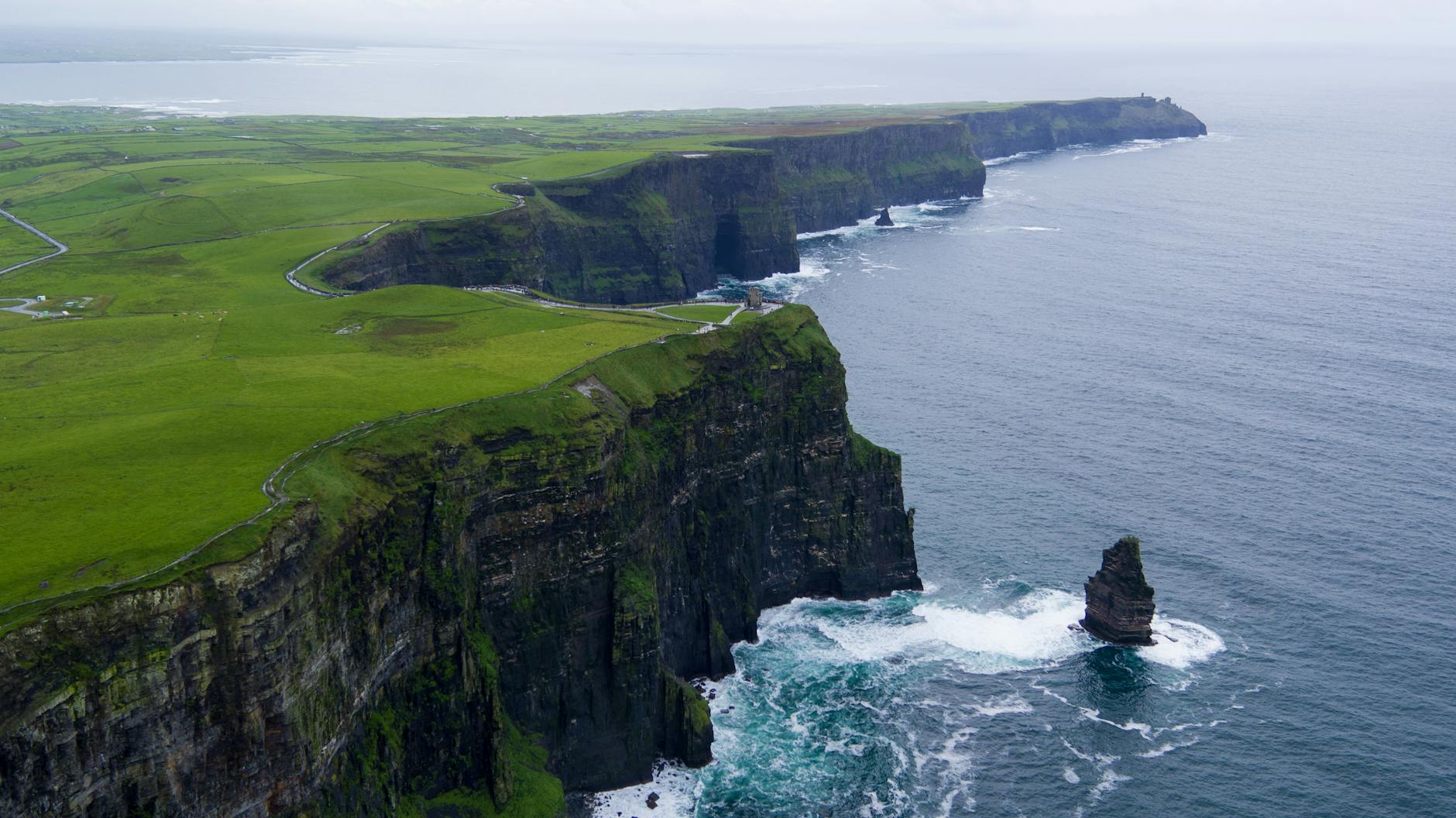
      aerial photography of rock next to water body

      Written By:

      Published On:

      Last Modified:

      Before the First Pint

      green light over bar walls at night while people have a pint before embarking on their Ireland itinerary

      Why Ireland Captures Travelers Again and Again

      Ireland isn’t flashy.

      It doesn’t try to sell you on pristine beaches or cutting edge nightlife.

      What it does offer, unapologetically, is character.

      This is a country where conversations with strangers come standard, where rain is part of the charm, and where the landscape speaks in stone walls, moss covered ruins, and waves crashing against cliffs older than time.

      People come here expecting pubs and castles, and sure, those are part of it.

      But they leave remembering a fiddler they met on a Tuesday night in a pub with no sign, or the way the air felt walking through Glendalough as mist rolled in off the hills.

      Ireland’s magic isn’t in your itinerary, it’s in everything that happens in between.

      This 7 day Ireland itinerary isn’t just a checklist of “must sees.”

      It’s a guide to moving through the country with your eyes open, your plans loose, and your spirit ready for detours.

      What This Ireland Itinerary Covers (And What It Doesn’t)

      This itinerary is designed for one week, seven days of well balanced adventure.

      You’ll start in Dublin, roll through Galway, explore the wild west of Connemara or the Aran Islands, swing down through Killarney and the rugged peninsulas of Kerry, before wrapping in Kilkenny and heading back to Dublin.

      It’s fast paced, yes, but not manic.

      Each day has breathing room, crafted with independent travelers in mind.

      What you won’t find here: every single castle, every museum, every quaint town that claims Yeats once sneezed there.

      This isn’t a “do it all” approach.

      You’ll miss some things, and that’s okay.

      Think of this as a first date with Ireland, not a marriage.

      You’ll be back.

      The Ideal Traveler for This Trip

      If you’re the kind of person who likes your plans with a side of possibility, this trip’s for you.

      You don’t mind getting lost on a country road as long as there’s a view (or a sheep) at the end of it.

      You’d rather hear a local’s story than check off another landmark.

      You’re curious, maybe even a little restless, and definitely not here to just follow the tour bus crowd.

      This Ireland itinerary was made for travelers who want connection over convenience, depth over breadth, and a good pint over a perfect photo.

      It’s not luxury, but it’s rich in every way that counts.

      Day 1: Dublin

      photo of people walking on street

      Must See Landmarks and Literary Haunts

      Dublin is a city of ghosts (think Behan, Joyce, Wilde), and you’ll feel them in the bricks, the bars, the rhythm of the streets.

      Don’t start with the Guinness Storehouse (save it for later).

      Start with a walk through the city’s intellectual backbone: Trinity College.

      The Long Room in its Old Library is as close to a cathedral as books will ever get.

      Just down the road, the Book of Kells waits quietly under glass, glowing like ancient scripture.

      Next, head to Kilmainham Gaol.

      It’s heavy from a gritty history, rebellion, and sacrifice.

      This place doesn’t shy from its past, and neither should you.

      Want something quieter?

      Duck into the Dublin Writers Museum or retrace steps through St. Stephen’s Green and Merrion Square, where literary legends once strolled in the rain.

      But don’t get too academic.

      Dublin isn’t a textbook.

      It’s a living city with stories still being written, preferably over a pint.

      Where to Eat, Drink, and Ease Into the City

      You’re jet lagged, a little dazed, and your stomach is running on fumes.

      Skip the tourist traps around Temple Bar, unless you’re collecting overpriced Guinness.

      For breakfast or a light bite, hit up Queen of Tarts or The Fumbally for quality Irish fare that doesn’t scream “Instagram me.”

      For dinner, The Woollen Mills near the Ha’penny Bridge delivers modern Irish comfort food in a historic setting.

      Think braised beef cheeks, homemade brown bread, and locals at the next table arguing about hurling.

      Want something with a pulse?

      Grab a table at Delahunt, a Victorian era townhouse serving elegant plates in a quietly cool setting.

      When the sun goes down (which, let’s be honest, isn’t saying much in Ireland), head to The Cobblestone in Smithfield for real trad music.

      No frills, just raw talent and warm pints.

      Or wander into Toner’s or O’Donoghue’s where the music spills out into the street and no one’s watching the clock.

      Sleep Smart: Where to Stay in Dublin

      You don’t need five stars, but you do need walkability and comfort.

      Jacobs Inn is a clean, modern hostel with private pods and a great social vibe; perfect for solo travelers or budget conscious duos.

      If you want boutique on a beer budget, check out The Hendrick in Smithfield or The Alex near Merrion Square.

      Prefer charm with your sleep?

      Number 31 offers Georgian vibes and breakfast that could convert the sleep deprived into morning people.

      Rest up. Dublin’s done its part. The real ride begins tomorrow.

      Day 2: Dublin to Galway

      colorful cars on a parking

      Train or Car?

      It’s decision time: wheel your own way west, or kick back and let the train do the driving.

      If you’re craving control, rent a car.

      The route from Dublin to Galway (via the M6) is about 2.5 hours straight.

      But where’s the fun in straight?

      With a car, you own the detours, the roadside photo ops, the wrong turns that become right stories.

      Driving in Ireland isn’t hard, but the narrow roads and roundabouts demand your attention, and a dash of humility.

      If you’re easing into this trip and want to zone out, take the train.

      Irish Rail runs regularly from Dublin Heuston Station to Galway, and the views rolling past your window—green fields, sheep, the odd crumbling tower—aren’t half bad.

      Plus, it drops you straight into the city center with zero parking headaches.

      Bottom line: Car equals freedom.

      Train equals peace.

      Pick your travel poison.

      Stop for Midday Pints

      If you’re driving, you must stop in Athlone.

      It’s geographically halfway to Galway, and spiritually a step back in time.

      At the heart of this sleepy Midlands town sits Sean’s Bar, proudly (and factually) the oldest pub in Ireland.

      It’s been slinging drinks since 900 AD.

      That’s not a typo.

      Inside, the floor tilts a little, the fire’s usually going, and the pints are poured slow and proper.

      You’re not just drinking a beer, you’re stepping into a thousand years of blurry evenings and whispered secrets.

      Take your time.

      Chat up the bartender.

      Let the moment linger like peat smoke on your clothes.

      Evening in Galway

      Galway doesn’t try to impress, it just is.

      It’s a place where buskers could be future stars, where the street art’s political, and the air smells like salt and spilt cider.

      Drop your bags at your digs (The Stop is a local favorite with cozy B&B vibes), then wander straight into the Latin Quarter.

      Shop Street buzzes with musicians, clashing accents, and open-air stalls.

      Grab a cone from Murphy’s Ice Cream or a fresh oyster from the Galway Market if you catch it open.

      For dinner, Kai is a revelation with local ingredients, bold flavor, and zero pretense.

      When night falls, follow the music.

      Tigh Neachtain’s or The Crane Bar are always solid bets.

      Sit close to the session, sip slowly, and remember: you’re not just hearing Ireland.

      You’re feeling it now.

      Day 3: Day Trip to the Aran Islands or Connemara

      rocky and grass top of cliff

      Why Get Off the Mainland

      If Galway is where the West begins, the Aran Islands and Connemara are where it fully lets go.

      These aren’t day trips, they’re departures from the modern world.

      Think windswept cliffs, stone walls zigzagging toward the sea, and a pace of life so slow it practically rewinds time.

      The Aran Islands feel ancient because they are.

      They’re a cluster of limestone outposts where Irish is still spoken, donkeys outnumber cars, and the Wi-Fi is laughable (which is exactly the point).

      You go here to disconnect, to feel small, to hear the Atlantic roar uninterrupted.

      Connemara, by contrast, is wild in a looser, more sprawling sense.

      Boglands.

      Mountains.

      Sheep dotted roads that defy GPS logic.

      It’s Ireland raw and unfiltered.

      If the cities are the country’s memory, Connemara is its instinct.

      Quiet, tough, and stunning without trying.

      How to Plan Your Day Trip (or Overnight)

      For the Aran Islands, Inis Mór is your best bet for a first-timer.

      Ferries leave from Rossaveal, about an hour from Galway by shuttle or car.

      Book your ticket early, especially in summer.

      It’s possible to do it in a day, but if you’ve got wiggle room, stay the night.

      Watching the last ferry leave changes the island’s vibe.

      It empties, exhales, and becomes yours.

      For Connemara, rent a car or join a local day tour.

      Public transport is scarce, and you’ll miss too much without the freedom to stop.

      Drive the Sky Road near Clifden, visit Kylemore Abbey (yes, it’s touristy, but still drop dead gorgeous), or hike in Connemara National Park.

      Better yet, skip the checklist and just drive till something pulls you over.

      No matter the route, pack for unpredictability: rain gear, layers, snacks. You’ll thank yourself.

      Bike, Hike, or Just Wander

      On Inis Mór, rent a bike the moment you dock.

      There’s no better way to see the island than pedaling past grazing ponies and half toppled stone forts.

      Make the climb to Dún Aonghasa, a prehistoric fort perched on a cliff with nothing but sea and sky beyond.

      It’s not roped off or manicured.

      Just you, the edge, and the wind daring you to look down.

      In Connemara, pull on boots and hit the trails.

      The Diamond Hill loop is short, steep, and outrageously scenic.

      Or do nothing structured at all.

      Just wander a beach, breathe in the sea air, let the place do its work.

      Today is about remembering why you travel, not to escape life, but to meet it; raw, real, and a little windswept.

      Day 4: Galway to Killarney

      photo of a town against an overcast sky

      Cliffs of Moher, the Back Way

      Today’s drive is long, but it might just be the most jaw dropping stretch of your trip, if you do it right.

      Get up early, grab coffee, and head south out of Galway with one goal in mind: beat the tour buses to the Cliffs of Moher.

      But here’s the trick: skip the main entrance.

      Instead, approach from Hag’s Head, the lesser known southern end.

      Park near Guerin’s Path, toss a few euros in the honesty box, and hike the coastal trail northward.

      It’s raw, unguarded, and stunning in a way that makes the official visitor center feel like a mall parking lot.

      You’ll earn every view with wind in your face and the Atlantic threatening to pull the whole island westward.

      This is not a “see it from the gift shop” experience.

      This is wild Ireland, up close and elemental.

      The Burren

      On your way south, carve out time for The Burren.

      It’s not conventionally beautiful.

      It’s stark, lunar, and weird in the best possible way.

      Huge slabs of limestone stretch to the horizon, split by ancient fissures and dotted with wildflowers defying gravity.

      Stop in Kilfenora for the cathedral ruins, or hit up Poulnabrone Dolmen, a 5,000 year old tomb standing defiantly against the sky.

      Hungry?

      Swing through Burren Smokehouse for smoked salmon that tastes like someone bottled the Atlantic and set it on fire.

      Or grab a bite at The Roadside Tavern, where the food’s as good as the Guinness.

      The Burren is a place people either rush through or get lost in.

      Be the latter.

      Arrive in Killarney

      After a day of windswept cliffs and lunar landscapes, Killarney feels like an Irish postcard: tidy, cheerful, and buzzing with life.

      It’s a perfect home base for tomorrow’s adventures, but it’s worth exploring in its own right.

      Drop your bags at The Lake Hotel if you’re after lakeside views and old world charm, or Neptune’s Hostel if you’re on a tighter budget and want walkability to everything.

      B&Bs are king here.

      Look for one with a full Irish breakfast and a host who insists on telling you exactly where to go tomorrow.

      For dinner, go pub style at Murphy’s Bar or upscale at Bricín.

      Then stroll the park or hit a trad session at O’Connor’s.

      After a day like today, you’ve earned a pint and a pause.

      The west is behind you.

      The wild south awaits.

      Day 5: Ring of Kerry or Dingle Peninsula

      sign in seaside

      Which Route Is Right for You?

      You’ve got a full tank, a wide open day, and a tough call: Ring of Kerry or Dingle Peninsula?

      The Ring of Kerry is a heavyweight: big, dramatic, and stitched into every Irish travel brochure since the dawn of tourism.

      It delivers: mountain passes, crashing coastlines, sweeping lakes, and time warp villages.

      But it’s also bus heavy in peak season, and its epicness can feel…expected.

      Dingle, on the other hand, is smaller, scrappier, and weirdly soulful.

      The Slea Head Drive alone is worth the mileage: tight coastal curves, windswept beaches, beehive huts older than Christianity.

      And Dingle town?

      It’s a pint sized hub of trad music, pub banter, and art shops that don’t feel phony.

      So ask yourself: Do you want grandeur or grit?

      Broad strokes or up-close texture?

      Either way, you win.

      Just don’t try to do both in a day.

      That’s tourist math, not traveler wisdom.

      Must-See Stops and Secret Detours

      On the Ring of Kerry, stop at Muckross House if you’re into history, or skip it and lose yourself on The Skellig Ring, the quieter, wilder sibling to the main loop.

      The detour to Valentia Island is a gem: fossilized footprints, crashing surf, and skies so wide you’ll forget the concept of deadlines.

      On Dingle, the Gallarus Oratory is the obvious stop, but the Blasket Islands Centre tells the story of a vanished island community in a way that’ll stay with you.

      Take a moment at Coumeenoole Beach, where the wind howls and the Atlantic feels inches from your soul.

      Whichever route you choose, go slow.

      Pull over often.

      Talk to strangers.

      Some of the best sights aren’t on any map.

      Eat Local

      Lunch should be honest and local.

      In Portmagee, grab a bowl of chowder at The Moorings.

      It comes hot, briny, and loaded with the Atlantic.

      In Dingle, make a beeline for Out of the Blue, where seafood is king and the menu changes daily based on the catch.

      No chips, no compromise.

      Don’t skip the dark, dense, and slightly sweet Guinness bread.

      It’s practically a religion in Kerry kitchens.

      Pair it with a pint, and you’ve got a meal that’ll hold up to the wind and the road.

      By sunset, you’ll feel it; that raw, windswept, heart full sensation that only Ireland’s edge can offer.

      Whichever loop you choose, it’s the kind of day that gets into your blood and stays there.

      Day 6: Killarney to Kilkenny

      classic bar beer taps in milan pub

      Scenic Stops

      Today’s route cuts east across the belly of Ireland, trading wild coastline for ancient stones and inland stories.

      You’ve got options, good ones.

      First up: the Rock of Cashel.

      You’ve seen photos, sure, but nothing prepares you for the sheer drama of this limestone hill crowned with medieval ruins.

      It’s not just a church on a rock.

      It’s centuries of Irish power, faith, and defiance etched into cold, crumbling stone.

      Walk the grounds, listen to the wind tear through broken windows, and imagine being a monk here with nothing but parchment and prayer.

      Prefer less grandeur, more grit?

      Take a detour to Cahir Castle.

      Less touristy, equally atmospheric.

      Built to defend and impress, its towers and courtyards have that satisfying Game of Thrones vibe without the merch stands.

      Bonus: it feels lived in, not curated.

      Either stop makes a solid break in the 2.5 hour drive.

      Stretch, snap a few moody photos, then keep moving.

      Explore Kilkenny

      Kilkenny feels different from anywhere else on this trip.

      It’s compact but cultured, with a sly sense of humor under its medieval cloak.

      The streets twist and turn like a maze designed by a poet on a pub crawl.

      Drop your bags, then dive straight into Kilkenny Castle.

      Yes, it’s restored, but not obnoxiously so.

      The art collection is solid, the gardens are made for slow wandering, and the sense of history is tangible without being dusty.

      Then head into town.

      Pop into Rothe House, a 17th century merchant’s home, or just let the side streets pull you where they may.

      If you’re feeling thirsty for knowledge (or just thirsty), Smithwick’s Experience offers a smooth blend of brewing history and tasting.

      It’s touristy, but the beer’s good, and the guides know their stuff.

      Trad Tunes in Ancient Taverns

      Kilkenny comes alive at night; not with rowdy crowds, but with warmth.

      Pubs here aren’t about volume, they’re about vibe.

      Slide into a wooden booth at Kyteler’s Inn, a 700 year old tavern with a witchy past and serious character.

      Or check out Matt the Millers if you want music with your pint and a little local color.

      Dinner?

      Petronella serves elevated Irish fare without pretense.

      Try the lamb if it’s on.

      Then let the night carry you.

      One pub, one song, one pint at a time.

      Tomorrow, it’s back to Dublin.

      But tonight, Kilkenny is your kingdom.

      Own it.

      Day 7: Kilkenny to Dublin

      red stall

      Slow and Scenic Drive

      You could beeline it back to Dublin in under two hours, but where’s the poetry in that?

      Today’s about finishing strong, not fast.

      Take the scenic route north through the Wicklow Mountains, where the road winds like a ribbon through mist and moor.

      It’s the kind of landscape that swallows sound and rewrites your mood.

      Stop at Glendalough, a monastic site tucked into a glacial valley so serene it feels sacred, no matter what you believe.

      Walk the forested trails, trace your fingers along the ancient stonework, and listen to the silence.

      This place isn’t flashy, but it stays with you.

      Like much of Ireland, its power lies in subtlety.

      Bring a flask.

      Bring a journal.

      Bring the version of yourself that can sit still.

      Reflect and Toast Your Final Night in Dublin

      Rolling back into Dublin feels different now.

      You’re not a wide eyed newbie anymore.

      You’ve walked the cliffs, downed pints with locals, hiked windswept trails, and maybe even lost your phone somewhere on the Dingle Peninsula.

      Drop your rental car if you had one.

      City driving is a pain you don’t need.

      Check back into familiar digs or try somewhere new: The Dean for a boutique vibe with rooftop views, or Abbey Court Hostel if you want cheap and social.

      For your last night, skip the checklist.

      This is about ritual, not novelty.

      Walk the Liffey at sunset, grab dinner at The Winding Stair (book ahead), or just tuck into a snug booth at Kehoe’s or The Long Hall.

      Sip slow, think deep.

      Let the week settle in your bones.

      And raise a glass, not to what you saw, but to how it made you feel.

      Departure Tips for a Smooth Exit

      Flying out of Dublin Airport?

      Give yourself time.

      Security’s no joke, especially during peak hours.

      Most transatlantic flights leave in the morning, so plan to arrive at least 2.5 hours early.

      Take a cab, the Aircoach, or a pre-booked shuttle.

      Public transit works, but it’s not worth the stress on departure day.

      If you’re flying out later, stash your bags and give Dublin one last wander.

      Grab a flat white at Vice Coffee or pick up a few last minute gifts that aren’t leprechaun related.

      And when you board that plane, don’t scroll back through your photos just yet.

      Let it all sit.

      Let Ireland linger, like rain on a jacket, like a song you can’t stop humming.

      You’ll be back.

      You just don’t know when yet.

      Budget Breakdown and Tips for First-Timers

      trinity college dublin library interior view

      Daily Budget Breakdown

      Ireland’s not cheap.

      But it’s also not off limits.

      Travel smart, and you can experience its soul without draining your savings.

      💰 Budget Traveler: €60 – €90 per day

      Dorm beds or cheap guesthouses, self-catered meals, public transport, and maybe one paid attraction.

      💰💰 Mid-Range: €120 – €180 per day

      Private rooms in B&Bs, meals out once or twice a day, car rental, and daily activities.

      💰💰💰 High-End: €250+ per day

      Boutique hotels, fine dining, guided tours, the works.

      The sweet spot for most travelers?

      Around €130 per day if you balance splurges with self control.

      That gets you good food, a few pints, and a cozy bed without having to count every coin.

      How to Save Without Sacrificing Experience

      Eat big at lunch, go light at dinner.

      Many pubs and cafés offer lunch specials that cost half what dinner would.

      A €10 – €12 hearty lunch beats a €30 dinner and still fills you up.

      B&Bs over hotels.

      Not only cheaper, but you get a home cooked breakfast and local tips worth their weight in gold.

      Many Irish hosts practically require you to take their advice, and it’s usually spot on.

      Travel shoulder season.

      April through June or September through October.

      Fewer crowds, better rates, and just as much moody beauty.

      Book your car early.

      Prices spike fast in summer.

      If you’re traveling with someone, splitting a rental often costs less (and feels freer) than buses or tours.

      Walk, don’t Uber.

      Irish cities are compact.

      You’ll miss half the magic staring at a fare screen instead of cobblestones and café windows.

      Local Etiquette and Travel Hacks

      Say “hi” to strangers; especially in small towns or on trails.

      It’s not weird, it’s expected.

      A simple “How’s the craic?” goes a long way.

      Tipping isn’t mandatory, but appreciated.

      10% in restaurants if service isn’t included.

      Tip your guides and musicians if they made your day.

      Pub culture 101: When it’s your turn, buy the round.

      Don’t leave your glass on the table, bring it back to the bar.

      Respect the session, trad musicians aren’t jukeboxes.

      Weather reality: It will rain.

      Often.

      Sometimes sideways.

      Pack layers, a good rain jacket (not an umbrella, the wind will eat it), and waterproof shoes.

      Dry feet are happy feet.

      Ask locals where to go, not Google.

      Your best moments will come from a bartender’s suggestion, not a blog post.

      Trust the people who live it.

      Spend where it matters.

      Save where you can.

      And remember: the best parts of Ireland (the views, conversation, and the sound of wind across a stone wall) are free.

      Customizing Your Ireland Itinerary

      stunning mountain and ravine in scenic landscape

      Add On Ideas

      Seven days barely scratches the mossy surface of Ireland.

      Got more time?

      Stretch it.

      Here’s where to go when you want more than the greatest hits.

      Donegal is the rugged loner of the northwest: less polished, more powerful.

      The cliffs at Slieve League rival Moher, minus the crowds.

      Surf towns like Bundoran and sleepy fishing villages like Ardara still run on their own time.

      If you crave wild landscapes and quiet roads, Donegal’s your spot.

      Belfast adds complexity.

      This is a city of scars and stories.

      Where murals still shout politics and locals remember the troubles like they were yesterday.

      Take a Black Cab tour to get the real version, visit the Titanic Belfast museum for scale, and end the day in the Cathedral Quarter where the pint and music still bring people together.

      Cork is for food lovers and free spirits.

      Smaller than Dublin, cooler than Galway, and full of hidden corners.

      Hit The English Market, then day trip to Kinsale for seafood and sea air, or Cobh to see where Titanic’s last passengers boarded.

      Each of these places could be a trip in itself.

      Tacking them on?

      Just make sure you don’t try to see everything and feel nothing.

      Slowing Down and Staying Longer in One Place

      Ireland rewards lingering.

      Don’t be afraid to pause.

      Spend three nights in Galway and really soak in the street music, cafés, and moody harbor walks.

      Post up in Dingle and let the peninsula unfold at a pace that matches the tides.

      Or rent a cottage in Connemara, buy groceries, and go feral for a few days.

      Moving slower doesn’t mean seeing less, it means seeing deeper.

      You’ll spend less time checking out and more time checking in.

      Best Times to Go and Weather Wisdom

      The best time to visit Ireland?

      Depends on what you’re after.

      May to early June offers long days, decent weather, wildflowers blooming, and fewer tour buses.

      September to October brings golden light, harvest festivals, and a gentler vibe as crowds thin.

      Winter?

      Moody, quiet, and honestly kinda magical if you’re okay with rain and short days.

      Bring layers and embrace the pub life.

      Avoid mid-July to August if you can.

      Prices spike, towns get clogged, and spontaneity dries up.

      As for weather: it’s a wildcard.

      You can get all four seasons in a day.

      Dress like an onion: layers, waterproofs, and zero expectations.

      However you tweak it, this itinerary is just a starting point.

      Ireland will meet you halfway, just show up open.

      Ireland is a Feeling, Not a Checklist

      photo of an old bridge

      What You’ll Remember (It’s Not the Landmarks)

      You’ll forget the GPS coordinates.

      The exact sequence of castles and cliff views will blur.

      But what stays?

      The feeling.

      It’s the quiet moment on a coastal trail when the wind shifts and you hear nothing but waves and your own breath.

      It’s the old man in a Galway pub who called you “young fella” and poured a story longer than your pint.

      It’s the rhythm of trad music bleeding into midnight, and the taste of salt still clinging to your lips after a walk by the sea.

      Ireland doesn’t impress you like a monument.

      It gets under your skin, slowly.

      It’s in the way people talk to you like they’ve known you for years, in the moss that carpets old stones like the land itself is trying to hold memory, in the way time bends around a pub session or a coastal drive.

      This trip wasn’t about ticking boxes.

      It was about letting a place work on you.

      And it will, if you let it.

      Travel Intentionally and Leave Room for Serendipity

      The best advice for traveling Ireland?

      Don’t over plan it.

      Build your framework, sure.

      Know where you’ll sleep.

      But leave space; for the road that calls to you, the town you didn’t mean to visit, the pub session that turns into a philosophy lesson over Guinness.

      Too many travelers treat Ireland like a museum.

      It’s not.

      It’s a conversation.

      A living, breathing, rain soaked, music laced invitation to slow down and stay a while.

      If you’re too busy getting to the next place, you’ll miss the one you’re standing in.

      Let spontaneity live in your itinerary.

      Leave time for detours.

      Say yes to the strange.

      Ask questions.

      Sit still when the moment calls for it.

      And maybe, just maybe, come back without a plan at all.

      Because the truth is, Ireland isn’t going anywhere.

      It’s always here; weathered, welcoming, and full of crooked stories.

      And once you’ve been, even just once, a part of you will always be tuned to its frequency.

      So don’t chase perfection.

      Chase moments.

      Chase meaning.

      And when you leave, take the feeling with you.

      Not just in photos, but in the way you move through the world after.

      Ireland doesn’t change for anyone.

      But if you’re lucky, it might just change you.

    • The Most Epic 10 Day Peru Itinerary (2026)

      The Most Epic 10 Day Peru Itinerary (2026)

      a purple and black pattern

      Epic 10 Day Peru Itinerary (2026)

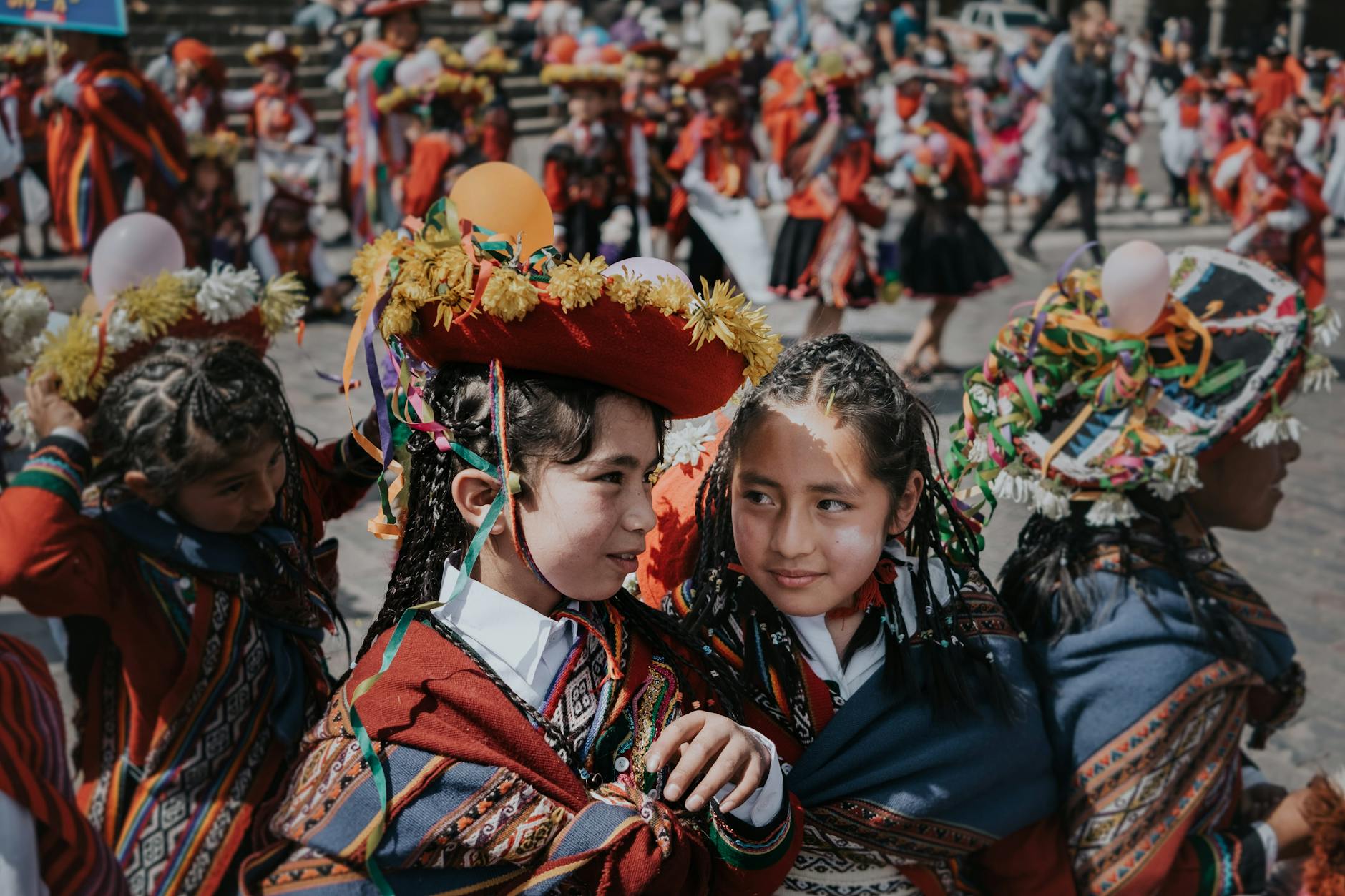
      girls in assorted color apparels

      Written By:

      Published On:

      Last Modified:

      Why Peru Will Ruin You (In the Best Way)

      photo of people near church

      It Doesn’t Just Change Your Plans, It Changes You.

      Peru will mess with your head, in the best way possible.

      It’s not just the altitude, though that’ll hit you too, like a sucker punch as you walk up Cusco’s cobbled streets wondering why you’re out of breath ordering coffee.

      No, what really gets you is how Peru sinks its teeth in, slowly and completely.

      You come for Machu Picchu, and sure, it’s a wonder, but you stay for things you didn’t see coming: the heat of a clay oven in the Sacred Valley, the sudden silence of the Colca Canyon, the way a street vendor hands you anticuchos like it’s sacred ritual.

      This isn’t a country you visit.

      It’s a country that visits you.

      Every Moment Feels Like a Lesson in Living

      You’ll be eating fire-roasted guinea pig one night, and sipping craft beer brewed with quinoa the next.

      One day you’re elbow deep in market fruit you can’t name, the next you’re face to face with a llama who honestly seems a little smug about being here first.

      You’ll hear Quechua spoken in quiet, confident tones that predate Spanish, colonialism, and most of the world as we know it.

      This place is old.

      Ancient.

      But it’s not stuck in the past, it’s evolving on its own terms.

      There’s chaos, yes.

      Buses might not show up.

      ATMs might eat your card.

      A local might shrug at your broken Spanish and answer you in perfect English, or maybe in nothing at all.

      That’s part of it.

      Peru doesn’t owe you comfort.

      But it will reward your effort.

      You’ll find yourself thinking differently after just a few days.

      Slower, more attentive.

      You’ll savor your meals more, even the $2 menú del día with rice, soup, and mystery meat.

      You’ll stop checking your phone so much.

      You’ll start looking people in the eye.

      After Peru, Ordinary Doesn’t Cut It Anymore

      And then you’ll leave, and the trouble really begins.

      Because Peru ruins you for ordinary travel.

      It sets the bar painfully high.

      After trekking through ruins that touch the clouds, after tracing history in a bowl of ají de gallina, after standing in the Plaza de Armas at dusk while the whole city glows, it’s hard to go back.

      To routine.

      To simple vacations.

      Peru isn’t perfect.

      That’s why it’s unforgettable.

      It’s real, it’s raw, and it’s radiant.

      It’ll shake loose everything dull and predictable in you, and leave something better behind.

      That’s what ruins you.

      And why you’ll want to come back.

      Day 1: Land in Lima

      white lighthouse tower beside sea

      Stay in Barranco if You’ve Got a Soul, Miraflores if You Want Views

      You’ll likely land in Lima bleary eyed, stiff legged, and unsure whether to rush on or dig in.

      Don’t make the rookie mistake of skipping Lima.

      This city isn’t just a stopover, it’s a slow burn.

      And the first decision that matters is where you stay.

      Miraflores is safe, upscale, and full of ocean views, smoothie bars, and rooftop lounges.

      It’s the obvious choice.

      But if you want personality (artsy, romantic, rough around the edges personality), Barranco is where Lima breathes.

      Barranco has soul.

      It’s where Lima’s poets, punks, and painters live.

      Colonial facades covered in murals, ocean breeze mixing with espresso, guitars strumming into the night.

      Stay in a boutique guesthouse or an artsy Airbnb.

      Wake up to a good coffee and better conversation.

      Walk the Coast, Follow the Colors, Watch the Sunset

      Start with a coastal walk, El Malecón, a clifftop path that stretches from Miraflores to Barranco, lined with parks, public art, and stray cats who run the place like locals.

      If the surf calls you, you can grab a board and paddle out at Playa Makaha.

      If not, just sit and watch the waves work their way toward shore like they’ve got centuries to kill.

      Wander through Parque del Amor, all kitsch and PDA, before drifting south into Barranco.

      Here, the vibe shifts.

      You’ll find Puente de los Suspiros (the Bridge of Sighs), where local lore says holding your breath as you cross grants a wish.

      Street art explodes in every direction.

      Galleries spill onto sidewalks.

      There’s music in the bars before noon and dogs that seem to know everyone’s name.

      Come sunset, stake out a spot near the cliffs.

      Bring a beer or a pisco sour.

      You’ll want to watch how Lima lights up against the sea.

      Ceviche That Punches, Anticuchos That Melt, Pisco That Bites

      Start light: ceviche, Peru’s national obsession.

      Head to La Mar or El Mercado if you want polished perfection, or hit Punto Azul for a locals loved classic.

      Bright, raw, and unapologetically acidic, it’ll wake up your palate and your jet lagged brain.

      Dinner?

      Anticuchos from a street vendor, hot off a grill.

      Beef heart skewers never tasted this good.

      Add papa rellena or tamales if you’re still hungry.

      Nightcap?

      pisco sour with a stiff foam head and enough kick to make you respect it.

      Head to Ayahuasca Bar in Barranco, it’s a 19th century mansion turned cocktail lab.

      Lima, like Peru, doesn’t whisper.

      It shouts, sings, sizzles.

      And this is just day one.

      Day 2: Fly to Cusco

      bustling street scene in cusco peru

      Slow Down or Get Smashed by the Altitude

      Flying into Cusco feels like entering another layer of existence.

      You leave sea level and 90 minutes later, you’re over 11,000 feet above it, lungs clutching at thinner air.

      It’s beautiful, breathtaking in every sense, but if you don’t respect the altitude, it will slap you down fast.

      First rule?

      Do less.

      Seriously.

      No Inca Trail, no rooftop tequila, no ambitious walking tour.

      Your job today is to arrive and not faint.

      Start by sipping coca tea, the local remedy.

      Hotels will offer it like a welcome drink, and yes, it’s legal.

      It won’t cure altitude sickness, but it helps.

      Drink water.

      Avoid alcohol.

      Eat light.

      If you’re coming from sea level, even climbing a flight of stairs can feel like a triathlon.

      Rest.

      Stare at a wall if you must.

      Cusco will still be there tomorrow.

      Pack soroche (altitude) pills if you’re prone to headaches.

      Locals also chew coca leaves, slightly bitter but effective.

      You’re in the Andes now.

      The best thing you can do is honor the mountain pace.

      Let Cusco Introduce Itself

      Once your heart stops trying to beat through your chest, venture out.

      Not far, just enough to let Cusco start working its charm.

      Head to Plaza de Armas, the city’s buzzing heart.

      It’s framed by cathedrals and colonnades, ringing with Quechua, pan flutes, and backpacker Spanish.

      Street vendors sell woven alpaca scarves, and shoeshine boys hustle with practiced charm.

      Sit on a bench.

      Watch.

      Then wander to San Pedro Market, a loud, colorful maze of fruit stands, juice counters, herbal apothecaries, and mysterious meat.

      It smells like everything.

      Buy a maracuya (passionfruit), try fresh cheese with Andean corn, listen to old women barter like warriors.

      Peek into Qorikancha, the Temple of the Sun, where Incan stonework and Catholic colonialism collide in jarring beauty.

      Don’t rush it.

      Cusco is a city built on layers of stone, history, and meaning.

      From Street Snacks to Sacred Sauces

      Keep your meals light but flavorful.

      For a slow lunch, head to Green Point, a cozy vegan spot tucked into the San Blas district.

      Even carnivores fall in love with their quinoa bowls and fresh smoothies.

      Want something heartier?

      Try Pachapapa for wood fired Andean fare in a leafy courtyard.

      Go for the ocopa or aji de gallina, but maybe hold off on the cuy (guinea pig) until your stomach stabilizes.

      If you’re still hungry come nightfall, grab a tamale or empanada from a street cart.

      Pair it with another cup of coca tea and watch the stars try to outshine the city.

      Day 3: Sacred Valley

      scenic church in the peruvian andes at sunset

      Take the Long Way, It’s the Better One

      The Sacred Valley isn’t just a detour, it’s a pilgrimage.

      A fertile Andean corridor carved by the Urubamba River, this is where the Inca Empire farmed, built, worshipped, and, in many ways, still lives.

      Getting there is easy.

      You can book a day tour from Cusco, but better yet, go independent.

      Hire a driver, split a colectivo, or take the bus to Pisac first.

      You’ll see more, rush less, and meet the valley on your own terms.

      Pack light, drink water, and embrace altitude’s lingering haze.

      The air gets crisper out here, cleaner.

      The red earth, green terraces, and golden maize colors pop harder.

      Time begins to lose its grip.

      Terraces, Fortresses, and Markets with Soul

      Start in Pisac.

      Climb to the hilltop fortress, an Incan marvel of sweeping agricultural terraces and sacred stonework.

      From up there, the valley unfolds like a secret the mountains are whispering.

      Then descend into the town, where the market buzzes with real trade, not just souvenirs.

      Yes, there are alpaca sweaters and trinkets, but there are also locals bartering potatoes and silver jewelry with stories behind it.

      Next stop: Ollantaytambo, arguably the most atmospheric town in the entire Incan corridor.

      It’s not a ruin.

      It’s a living, breathing Inca settlement.

      The stone alleys and canals aren’t reconstructions.

      They’re still used.

      The fortress here climbs steeply, with terraces like amphitheaters aimed at the gods.

      If you have the energy, hike up to the Pinkuylluna ruins.

      They’re free, lesser known, and offer views the tourist masses miss.

      This is where you want to spend the night.

      The light here hits different in the evening, especially when the tour buses roll out and the sacred quiet settles in.

      Where the Inca Never Really Left

      The Sacred Valley isn’t a museum.

      It’s not frozen in time.

      It’s alive.

      Here, you don’t just see culture, you feel it.

      You hear Quechua spoken in the markets.

      You watch old women weave wool with methods passed down centuries.

      You share a smile with a farmer in dusty boots carrying a bundle of herbs that could be medicine, seasoning, or both.

      Eat dinner in a family run guesthouse, not a hotel.

      Try chicha de jora, a fermented corn beer that’s older than the empire.

      If you’re lucky, your host might explain how each crop is chosen by moon phase.

      That’s the real Peru itinerary, a culture written in the stars, not your travel app.

      The Sacred Valley is a place that doesn’t perform for you.

      It just is.

      And if you slow down, it’ll let you in.

      Day 4: Ollantaytambo to Aguas Calientes

      scenic train journey through andes in peru

      Scenic Train Ride Along The Road to the Gods

      You don’t drive to Machu Picchu.

      You glide.

      And the ride from Ollantaytambo to Aguas Calientes isn’t just transportation, it’s a slow motion reveal.

      Hop aboard the PeruRail – Expedition or IncaRail Voyager, depending on your budget and timing.

      Both offer windows big enough to remind you that this isn’t Kansas.

      You’re entering a gorge carved by centuries, flanked by jungle tangled cliffs and fast moving river veins.

      Trees claw at stone.

      Mist clings to peaks.

      The Andes don’t pose, they loom.

      It’s only 1.5 hours, but you’ll want to be glued to the glass.

      This is the kind of ride that makes you shut up and stare.

      Bring a snack, some coca candy, and your sense of awe.

      You’re on the train to the most overhyped yet still totally awe-inspiring destination on Earth.

      Pro tip: sit on the left side of the train for the best views.

      The Jungle Town at the End of the Line

      Aguas Calientes, officially known as Machupicchu Pueblo, is the kind of town that exists because Machu Picchu does.

      It’s touristy, overbuilt, and crawling with hikers, backpackers, and selfie chasers.

      And yet, if you squint a little, and slow down a lot, it’s got a vibe.

      Think of it as a base camp, not a destination.

      You’re here to rest, refuel, and prepare.

      Most travelers arrive midday, wander the crowded main drag, and wonder what to do next.

      Start with a walk along the river trail, away from the shops.

      Let the jungle sounds replace the buzz of restaurants and souvenir barkers.

      Grab a coffee at a café with a balcony overlooking the water.

      Breathe.

      If you’ve got time and your legs aren’t jelly, visit the Museo de Sitio Manuel Chávez Ballón, a surprisingly insightful look at the real story behind Machu Picchu’s rediscovery and Incan engineering.

      If you’re too tired to care, no shame.

      Go soak in the Baños Termales.

      Yes, they’re a bit grungy.

      But you didn’t come here for luxury.

      Food wise, avoid the overpriced tourist traps lining the main square.

      Instead, duck into Indio Feliz, a quirky Franco Peruvian hybrid that actually delivers flavor and atmosphere.

      Or try a simple trucha (trout) dinner grilled fresh and served with potatoes that taste like the Andes.

      Sleep early.

      Tomorrow’s the reason you came.

      Whether you’re hiking up or catching the first bus, you’ll want your energy.

      The gods don’t wait for late risers.

      Day 5: Machu Picchu

      person standing on door

      Getting In: You’ll Earn It, Even with a Ticket

      No matter how you reach it, whether by four day trek or 30 minute bus from Aguas Calientes, Machu Picchu makes you work.

      You’ll rise before dawn, gulp bad hotel coffee, and join a sleepy procession of pilgrims and tourists who all want the same thing: to beat the crowds and see the citadel wake with the sun.

      If you’re hiking up from Aguas Calientes, it’s a 90 minute pre-dawn climb.

      Steep, sweaty, and spiritual.

      If you’re taking the bus, line up early.

      Tickets sell fast, and the buses start running around 5:30 AM.

      Either way, bring your passport, your entry ticket (time slotted), and your sense of wonder.

      You’re not the first to do this.

      But if you’re lucky, or patient, you can still feel like you are.

      Sights of Stone, Sky, and Sacred Design

      The first time you see Machu Picchu, it doesn’t feel real.

      It’s not just the view, though that’s jaw dropping.

      It’s the symmetry.

      The way the stone seems to hum with purpose.

      These weren’t just walls.

      They were offerings to gods.

      Alignments with solstices.

      A mountain top city carved from clouds and rock.

      Wander slowly.

      Resist the urge to rush from terrace to terrace with your phone out.

      Let the mist roll in and out.

      Watch the llamas graze like they own the place, because they kind of do.

      Walk up to the Guardhouse for that postcard view, then down into the Temple of the Sun, the Sacred Plaza, and the Intihuatana, the ritual stone used to tether the sun.

      Got extra stamina (and the right ticket)?

      Hike Huayna Picchu or Machu Picchu Mountain for a more vertical view, and fewer tourists.

      Context Matters: Don’t Just Take the Selfie

      Machu Picchu isn’t just a bucket list stop.

      It’s a riddle.

      Built without mortar, aligned with astronomical precision, abandoned mysteriously, and “rediscovered” by outsiders who didn’t understand what they’d found.

      Learn the backstory.

      Hire a local guide, even for an hour.

      You’ll hear how the Incas built with stone that breathes during earthquakes.

      How the terraces weren’t just farms, but a complex drainage system.

      How the Spanish never found it, and that’s part of why it survived.

      Yes, it’s over touristed.

      Yes, it’s been photographed to death.

      But none of that matters when you’re standing in the middle of it, 8,000 feet above sea level, and it hits you: you’re not on top of the world, you’re inside it.

      Day 6: Back in Cusco

      festive religious procession in cusco

      Explore the City

      By now, Cusco isn’t just a dot on your Peru itinerary.

      It’s a mood, a rhythm, a map of stories carved in stone.

      Today is about getting under its skin.

      Start at the Temple of the Sun, Qorikancha, where Incan foundations still defy time beneath the colonial shell of Santo Domingo.

      The Spaniards built over the bones of the empire, but they couldn’t erase it.

      The stone still speaks.

      Next, climb to Sacsayhuamán, just above the city.

      Yes, it’s touristy.

      No, it’s not overrated.

      The scale is absurd.

      Massive stone walls fitted together so tightly, not even a blade of grass fits between them.

      The views over Cusco?

      Postcard perfect.

      Wander into San Blas, Cusco’s bohemian heart.

      Cobbled lanes.

      Artisan shops.

      Stray dogs with better street smarts than you.

      Pop into a gallery, get lost in a side alley.

      That’s where Cusco breathes.

      Eat and Unwind

      Food in Cusco isn’t just sustenance, it’s heritage served hot.

      Start with chocolate.

      Cusco is a bean to bar city.

      Visit the ChocoMuseo to taste cacao in its purest form, or even take a mini workshop if your feet need a break.

      The hot chocolate here will ruin you for life.

      For lunch or dinner, head to Cicciolina, for a blend of Andean ingredients and Mediterranean attitude.

      Go for the alpaca carpaccio or the handmade pasta with native herbs.

      Want something heartier and homegrown?

      Chicha by Gastón Acurio blends Peruvian classics with modern swagger.

      We recommend trying aji de gallina, trout ceviche, maybe even cuy if you’re brave (and acclimated).

      Later, chase sunset at Limbus Restobar, high above San Blas.

      Cocktails with altitude, city lights flickering below, and music that leans local.

      Order a pisco sour and toast to surviving Machu Picchu.

      Optional Chill: Let the Mountains Come to You

      Not feeling ambitious?

      Good.

      You’ve earned a slow day.

      Book a massage, a real one.

      Your legs deserve it.

      Or settle into a café like L’Atelier in San Blas, with a view, strong coffee, and time to write a postcard or three.

      Browse a bookstore.

      Sketch.

      People watch.

      Let the past few days settle in your bones.

      Cusco is a city that rewards stillness.

      After the altitude, the trekking, and the sensory overload, today is a reminder: sometimes the best way to travel is to stop moving.

      Day 7: Choose Your Own Adventure

      world map in close up photography

      Option 1: South Valley Circuit

      Ruins, Real Food, and Fewer Tourists

      If you’re not into 5 AM wake up calls, and gasping hikes at 17,000 feet, the South Valley is your speed, and it’s criminally underrated.

      Start with Tipón, an Incan agricultural wonder where water flows like poetry through ancient canals.

      This isn’t tourist packed Machu Picchu; it’s quiet, meditative.

      You’ll probably share the site with a handful of Quechua speaking locals and a few alpacas.

      Next, head to Pikillacta, a sprawling Wari city, pre-Inca, pre-Columbus, and post-apocalyptic in its emptiness.

      It feels like a place that’s been forgotten twice.

      Bring your imagination; it helps.

      Finish in Andahuaylillas, a sleepy town with one of the most unexpected sights in Peru: a 17th century church nicknamed the “Sistine Chapel of the Andes.”

      Gold leaf, murals, and baroque overload in a village where ox carts still pass by.

      The South Valley also happens to be the best place to try cuy al horno (oven roasted guinea pig), lechón (suckling pig), and giant corn with salty cheese.

      If you’re hungry for authenticity, not filters, this is your route.

      Option 2: Rainbow Mountain (Vinicunca)

      The High Altitude Head Trip

      You’ve seen the pictures.

      The red, turquoise, gold striped mountain that looks like a geological acid trip.

      Vinicunca, aka Rainbow Mountain, is Instagram bait.

      But it’s also the real deal if you respect what it takes to get there.

      The day starts brutally early.

      Think 3 AM hotel pickup.

      And it’s a long drive followed by a high altitude hike.

      You’ll climb to over 17,000 feet (5,200 meters).

      This is not a walk in the park.

      Even fit travelers feel the strain.

      Coca leaves, water, and pacing yourself are non-negotiables.

      But the payoff?

      If the weather cooperates, the colors of Vinicunca come alive under the Andean sky like nothing else on earth.

      It’s cold, windy, and wildly beautiful.

      Just don’t expect solitude.

      This place is packed, even at sunrise.

      Still, it’s a peak experience.

      Literally and figuratively.

      And if you make it, you’ll join a small club of travelers who’ve stood above the clouds, staring down at a mountain painted like a dream.

      Day 8: Fly to Arequipa

      photo of blue doorway

      Chill Meets Church Meets Volcano Drama

      After the high altitude highs of Cusco and the Sacred Valley, Arequipa feels like an exhale.

      Warm, sun washed, and framed by volcanoes, this city is all baroque architecture, cobbled streets, and lazy plazas.

      They call it the White City because of the sillar, a pearly volcanic stone that glows in the afternoon light.

      But don’t mistake pretty for shallow, Arequipa has soul.

      Start in the Plaza de Armas, arguably Peru’s most beautiful square.

      Surrounded by grand arcades and dominated by the twin towered Basilica Cathedral, it’s a place to linger.

      Grab a seat, watch the world go by, and let the Andes breathe for you.

      Then head to the Santa Catalina Monastery, a walled city within the city.

      Painted in blood reds and ocean blues, it’s both serene and surreal.

      Nuns lived here in isolation for centuries, and the silence lingers.

      It’s one of those places that feels heavy in the best way.

      If you’ve got time, visit the Museo Santuarios Andinos, home to Juanita, the Ice Maiden.

      She’s a perfectly preserved Incan sacrifice found on a mountaintop.

      Eerie, humbling, and unforgettable.

      Spicy, Savory, and Seriously Good Eats

      Arequipa doesn’t mess around when it comes to food.

      This city has its own culinary identity, and it starts with rocoto relleno, a fiery red pepper stuffed with meat, eggs, and spices, then baked under cheese.

      You’ll find it at local picanterías, traditional lunchtime joints that haven’t changed their menus in generations.

      Another must try: ají de camarones, a creamy shrimp stew with a smoky pepper kick, and ocopa, boiled potatoes drowned in a nutty, herbaceous sauce that’ll make you rethink potatoes forever.

      Wash it down with chicha de guiñapo (purple corn beer) or a crisp Arequipeña lager.

      For the real experience, hit La Nueva Palomino or Sol de Mayo in the Yanahuara district.

      You’ll eat surrounded by locals, noise, and big clay pots of whatever’s bubbling that day.

      Where to Stay

      Stay near the historic center.

      Casona PlazaKatari Hotel, or Casa Andina Select offer comfort with balconies and killer views of El Misti volcano.

      Want more soul and less shine?

      Try a boutique guesthouse in Yanahuara, where quiet alleys lead to whitewashed chapels and panoramic terraces.

      Arequipa isn’t a layover.

      It’s a slow burn.

      Stay a while.

      Let the sun and stone work their magic.

      Day 9: Colca Canyon

      drone shot colca canyon

      Depth You Can Feel

      You thought Machu Picchu was high?

      Welcome to Colca Canyon, where the land drops out from under you and keeps going.

      Twice as deep as the Grand Canyon and just as dramatic.

      It’s not just about scenery.

      It’s about scale.

      Humbling, visceral, human shrinking scale.

      If you’ve got just a day, buckle up for an early start.

      3 or 4 AM pickups from Arequipa are the norm.

      It’s a long ride, but the payoff is the Cruz del Condor, a cliffside lookout where Andean condors with wingspans up to 10 feet, ride thermal drafts like gods.

      Watching one glide silently past your face is a moment that burns into memory.

      If you’ve got the time, do it right: overnight in Chivay or Yanque.

      You’ll get the canyon’s quiet after the tour buses leave, and you’ll wake to crisp air, rising steam, and roosters instead of horns.

      Cultural Connections

      Colca isn’t just nature porn.

      It’s a place where indigenous life still pulses.

      The towns here, tiny, remote, and rugged, are where the Quechua and Aymara cultures still live out traditions rooted in pre-Columbian times.

      You’ll see women in handwoven skirts and ornate hats selling cheese or herbs by the roadside, not for show, but because that’s life here.

      Visit a local market.

      Step into a tiny church where murals fade but still preach.

      Share coca tea with someone who’s never left the valley.

      If you’re with a guide, ask questions.

      If you’re not, just listen.

      This isn’t a theme park.

      It’s a living place with stories older than maps.

      Soak and Reflect, Your Muscles Deserve This

      After days of altitude and hiking, your legs will beg for mercy.

      Give it to them in the La Calera hot springs, just outside Chivay.

      It’s not five star luxury, but it doesn’t have to be.

      Steam curls off the pools.

      The Colca River rushes nearby.

      It smells faintly of sulfur and stone.

      You soak.

      You sigh.

      And you realize how rare silence is in travel.

      Wrap up your night with a bowl of chupe de camarones (shrimp stew) or a plate of trucha frita (fried trout), caught just downstream.

      Maybe share a shot of anís with your host.

      Maybe just sit under the clearest stars you’ve seen all trip.

      Colca Canyon isn’t flashy.

      It’s not curated.

      But it’s one of the few places that still lets you feel small, and thankful for it.

      Day 10: Back to Lima

      people at beach during summer vacation

      Buy Something That Smells Like Peru

      Your Peru itinerary is winding down, but this isn’t just a travel day, it’s the epilogue.

      Your flight might not leave until evening, and that’s a gift.

      Use it.

      Drop your bags at a luggage locker or hotel.

      Then make your way to Mercado Surquillo or the Inka Market in Miraflores.

      Avoid the plastic panpipes and mass produced alpaca gear.

      Instead, go for what lingers.

      Coffee beans grown on Andean slopeshandmade chocolate with Maras salt, or ají amarillo paste that’ll bring heat to your home kitchen and memories flooding back with each bite.

      Peruvian markets are chaos and charm in equal measure.

      Walk slow.

      Ask questions.

      Sample something weird.

      That unlabeled bottle of green sauce might change your life, or your digestive tract.

      That’s the gamble.

      If you missed your shot at decent artisan finds earlier, Dedalo in Barranco offers handmade goods that don’t scream tourist trap.

      Wood carved utensils, alpaca throws, leatherwork; stuff you’d actually use, not just display.

      Lima’s Culinary Curtain Call

      You started this journey with ceviche and anticuchos, might as well end with them too.

      Lima, after all, is one of the food capitals of the world.

      And unlike Machu Picchu, you don’t need a ticket months in advance to eat well here.

      If you’re short on time, hit Al Toke Pez, a hole in the wall with explosive flavor and no frills.

      Their ceviche is acid and sea, chased with a side of leche de tigre that slaps harder than your first pisco sour.

      If you’ve got time to linger, go big: Mayta or Central if you can get a table.

      These aren’t just meals.

      They’re edible maps of Peru’s ecosystems.

      Jungle roots, Andean herbs, and Amazonian river fish are served like modern art, but cooked with ancestral soul.

      Wrap things up with a cocktail in Barranco, maybe at Hotel B or on the rooftop at Cala, where you can sip something citrusy while the Pacific devours the sun.

      Then, just sit.

      Watch Lima go gold, the surfers bobbing below, the skyline flickering to life.

      Breathe it all in.

      The diesel, the sea salt, the fried yucca from a cart around the corner.

      This is your last note in a song that played through jungle, ruin, canyon, and city.

      And if it’s done right, you’re already scheming about when you’ll come back.

      Best Time to Follow This Peru Itinerary

      brown donkeys walking on mountainside

      You Want Dry, But Not Dull

      Peru doesn’t run on your calendar, it runs on its own Andean rhythm.

      And if you want to make the most of this Peru itinerary, timing is everything.

      The sweet spot?

      May to September.

      It’s dry season in the Andes.

      Crisp skies, cool nights, and golden light that makes Cusco glow like a postcard.

      Trails are solid, rivers are calm, and Machu Picchu is free of the heavy mists that smother it in wetter months.

      June and July bring the clearest views and also some of the biggest crowds.

      You win some, you dodge some.

      May is perfect.

      Right after the rains, yet before the school break crush.

      September gives you another golden window.

      Weather’s still solid, crowds start thinning, and wildflowers pop in the Sacred Valley.

      If you like your travel less scripted and more soulful, consider the shoulder monthsApril and October.

      You’ll gamble a little with rain, but you’ll win peace.

      And the prices dip.

      Fewer tourists, quieter ruins, more locals out living their lives instead of steering tour groups.

      Want real immersion?

      June 24, the Inti Raymi Festival, is Cusco’s biggest annual event.

      It’s a theatrical reenactment of an Incan sun ritual, yes, but it also pulses with local pride.

      Hotels book early and prices spike, but it’s an unforgettable dive into Peru’s living history.

      Know When to Fold Your Peru Itinerary

      The worst time to follow this route?

      January through March, especially in the Andes.

      That’s rainy season.

      Roads wash out, hiking trails close, and Machu Picchu turns into a slippery maze of ponchos and regret.

      If your trip leans heavily on trekking the Inca Trail, Rainbow Mountain, or even Colca Canyon, don’t gamble on February.

      The Inca Trail is closed for maintenance all month, and even the alternative routes turn into mudslides and logistical nightmares.

      In Lima, January and February are actually hot and sunny, but that’s coastal summer; not much help if you’re aiming for mountain ruins and canyon views.

      Also, note holiday crowdsChristmas to New Year’sSemana Santa (Holy Week), and Fiestas Patrias (July 28 and 29).

      Expect higher prices, booked out transport, and slower travel.

      Bottom line?

      Peru’s a stunner all year, but if you want it at its best, dry season rules, shoulder months shine, and wet season should come with a warning label.

      What 10 Days in Peru Will Really Cost You

      peruvian and us currency on table with coins

      Sample Daily Budgets

      Peru isn’t just a backpacker’s paradise, it’s a country where your soles can be worn and your soul still fed.

      Whether you’re rolling light or living a little, you’ll get serious mileage for your soles and soles (the local currency).

      Budget Traveler (USD $40 $60/day):

      Stay in hostels or basic guesthouses, eat at menu del día joints (three course lunches for $2 to $4), take colectivos or local buses, and stick to DIY walking tours.

      You’ll skip the fine wine, but not the magic.

      Street food, market stalls, and Andean hospitality go a long way.

      Mid-Range Traveler (USD $80 $150/day):

      You’re sleeping in boutique hotels, sipping pisco sours with mountain views, and hiring local guides for ruins and hikes.

      Trains, taxis, good meals, and entrance fees all fit neatly into your budget.

      This is where most independent travelers land: comfort without excess.

      High-End Traveler (USD $200 – $500+/day):

      Luxury trains, fine dining in Lima’s best restaurants, upscale eco-lodges in the Sacred Valley, and private guides.

      If you’re looking for the Four Seasons of Andean adventure, Peru delivers, but you’ll pay for it in style.

      Factor in big ticket items:

      • Machu Picchu ticket: $40–$70 (more with Huayna Picchu or Machu Picchu Mountain hikes)
      • Train to Aguas Calientes: $60–$150 round trip
      • Domestic flights (Lima–Cusco–Arequipa): $100–$200 total
      • Sacred Valley tour or private driver: $20–$60/day

      All told, a smart, independent traveler can do this 10-day Peru itinerary for $1,000–$1,500 USD, flights excluded.

      Smart Splurges

      Peru rewards effort, but it also rewards investment if you know where to place your bets.

      Train upgrades:

      Go ahead, book the Vistadome or IncaRail First Class.

      Those panoramic windows and local snacks elevate the ride to Aguas Calientes from “cool” to “damn, this is special.”

      Guides for major ruins:

      At Machu Picchu, Sacred Valley, or Colca Canyon, a legit guide turns stone into story.

      Don’t cheap out here.

      History is better when it talks back.

      Food:

      Lima’s culinary scene is world class for a reason.

      Drop $50 on a ten course tasting menu and you’ll walk away full, not just of food, but of geography, culture, and craftsmanship.

      Souvenirs that last:

      Skip the junk.

      Invest in alpaca textiles, artisan ceramics, or handwoven rugs.

      You’ll pay more, but you’ll carry Peru home with you.

      Final Tips for a Smooth Peru Itinerary

      smiling man

      Packing Advice: Layers, Layers, Layers

      If you pack for Peru like it’s one climate, you’re going to suffer.

      This is a country of extremes.

      Coastal desert, high altitude mountains, humid jungle, sometimes all in one day.

      Start with layers: a good base layer, a fleece or down jacket, and a light rain shell.

      Mornings in Cusco can feel Arctic.

      By noon, you’ll be peeling everything off under the sun.

      And in the Sacred Valley, the weather turns on a dime.

      Footwear matters.

      Skip the flashy sneakers, and go with broken in hiking shoes or trail runners for Machu Picchu or Rainbow Mountain, your feet will thank you.

      Bring sunblock, even if it’s cloudy.

      At 11,000 feet, UV rays don’t care how cold it is.

      And don’t forget altitude medsmotion sickness pills (for those winding Andean roads), and hand sanitizer.

      Markets and bus stations aren’t known for their hygiene.

      Oh, and always carry toilet paper.

      You’ll learn why.

      Apps and Tools That Actually Help

      Forget the bloated travel apps.

      Here’s what actually works on the ground in Peru:

      Maps.me or Gaia GPS: For offline hiking trails and directions that don’t depend on signal. Trust me, Google Maps fails you in the Andes.

      Booking.com: For last-minute rooms in smaller towns where Airbnb doesn’t reach.

      Rome2Rio or Moovit: To navigate confusing transport routes, especially around Lima or Arequipa.

      SpanishDict: For quick translations when your high school Spanish crashes and burns.

      WhatsApp: Locals use it to confirm tours, hotels, and drivers. If you don’t have it, you’re invisible.

      Bonus: Download a currency converter app like XE so you don’t overpay at markets or miss that sweet exchange rate.

      Leave Room for the Unscripted

      Here’s the most important advice: don’t plan every second.

      Peru rewards the curious, not the over scheduled.

      The best moments aren’t always on your Peru itinerary, they’re in the detours.

      Stop for the woman selling tamales on a backstreet in Cusco.

      Say yes to the old man who invites you to try chicha in his courtyard.

      Wander into a random festival with no idea what’s being celebrated.

      And when the colectivo’s late, or the ATM’s empty, or the train is mysteriously “cancelado,” breathe.

      That’s Peru too.

      Not broken, just beating to its own ancient rhythm.

      You came for the bucket list.

      But if you’re paying attention, you’ll leave with something bigger: a story only you can tell.

      Check Out Some of Our Other Itineraries!